Why Dry Mouth and Gum Problems Hit Differently After 60 Chatsworth, CA


Many Chatsworth seniors are surprised to learn that their dental needs change dramatically after 60. Why dry mouth and gum problems hit differently after 60 in Chatsworth is a question Dr. Ashley Jan hears often at Chatsworth Family Dental Group. The answer involves aging biology, common medications, and years of wear on your teeth. Understanding these changes helps you protect your smile for decades to come.
Why Dry Mouth Becomes a Serious Dental Problem After 60
Dry mouth sounds like a minor inconvenience. In reality, it is one of the biggest threats to oral health for seniors. Saliva does far more than keep your mouth moist — it neutralizes acids, washes away bacteria, and helps remineralize tooth enamel.
Many adults over 60 take multiple medications daily. More than 500 common medications list dry mouth as a side effect. Blood pressure drugs, antidepressants, antihistamines, and diuretics are frequent culprits.
Without enough saliva, bacteria multiply rapidly. This creates a perfect environment for root decay and gum infections. Seniors in Chatsworth who experience persistent dry mouth should mention it at every dental visit — it is a clinical concern, not just a comfort issue.
- Drink water consistently throughout the day
- Chew sugar-free gum to stimulate saliva flow
- Use a humidifier in your bedroom at night
- Avoid alcohol-based mouthwashes, which worsen dryness
- Ask your dentist about prescription saliva substitutes
How Gum Recession and Root Decay Affect Chatsworth Seniors Differently
Gum recession is extremely common after age 60. As gums pull back, tooth roots become exposed. Unlike enamel-covered crowns, roots have no protective layer against acids or bacteria.
Root decay can progress quickly and silently. Many seniors do not notice sensitivity or pain until the decay is advanced. Regular checkups are the only reliable way to catch root decay early.
Gum disease — also called periodontitis — becomes more aggressive with age. Reduced immune response and dry mouth create conditions where bacteria thrive. Research also links advanced gum disease to heart disease, diabetes complications, and respiratory problems.
At Chatsworth Family Dental Group, Dr. Ashley Jan performs thorough gum assessments at every cleaning appointment. Early detection makes a significant difference in long-term outcomes for patients over 60.
Tooth Loss, Dentures, and Why Dental Implants Matter More at 60-Plus
Tooth loss remains more common among older adults than any other age group. Seniors who lose teeth face cascading effects — shifting teeth, jawbone loss, and difficulty eating nutritious foods.
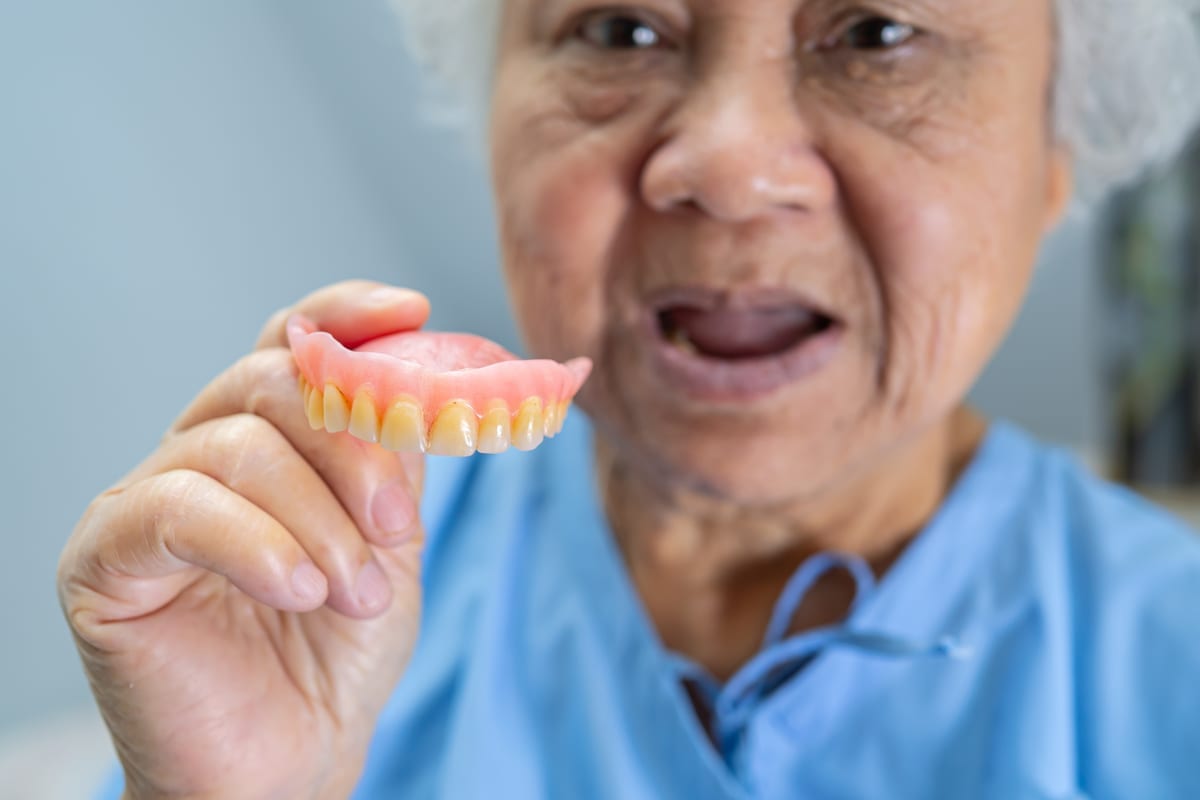
Traditional dentures solve cosmetic problems but do not address bone loss. The jawbone needs stimulation from tooth roots to maintain its density. Without that stimulation, bone slowly resorbs over time.
Dental implants change that equation completely. Implants integrate with the jawbone and function like natural tooth roots. Many seniors in Chatsworth are excellent implant candidates, even those in their 70s and 80s.
- Implants prevent jawbone shrinkage after tooth loss
- They do not slip or require adhesives like dentures
- Implants allow normal eating and speaking
- They are designed to last a lifetime with proper care
- Implant-supported dentures combine stability with affordability
Dr. Ashley Jan evaluates each patient individually to determine candidacy. Bone density, gum health, and overall medical history all factor into the assessment. Many patients who assumed they were not candidates discover they qualify after a proper evaluation.
Preventive Dental Care Strategies for Seniors in Chatsworth
Prevention remains the most powerful tool against age-related dental decline. The good news is that most serious problems are avoidable with consistent care. Chatsworth Family Dental Group tailors preventive plans specifically for patients over 60.
Professional teeth cleanings become even more important after 60. Tartar buildup accelerates when saliva decreases, and standard brushing cannot remove it. Cleanings every three to four months — rather than the standard six — are often recommended for seniors with dry mouth or gum disease.
Fluoride treatments are not just for children. Prescription-strength fluoride varnish applied during dental visits dramatically reduces root decay risk. Dr. Ashley Jan often recommends this for seniors as a simple, effective preventive measure.
Diet plays a critical role as well. Sticky or sugary foods cling to exposed roots and accelerate decay. Crunchy vegetables, water-rich foods, and dairy products support saliva production and enamel health.
Seniors with grandchildren may also be thinking about family oral health. Pediatric Dentistry Chatsworth services at our practice ensure the whole family receives age-appropriate dental care under one roof.
Cosmetic and Restorative Options That Make a Real Difference
Aging does not mean accepting a compromised smile. Modern dentistry offers effective solutions for worn, stained, or damaged teeth. Many seniors find that addressing cosmetic concerns also improves their oral function and confidence.
Veneers, crowns, and whitening treatments are all viable for healthy senior patients. Dental crowns protect weakened teeth from fracturing. Teeth whitening addresses decades of staining from coffee, tea, or medications. Cosmetic Dentistry Chatsworth services at our practice are designed to work with your natural biology — not against it.
Root canal treatment saves teeth that might otherwise require extraction. Preserving natural teeth is always the preferred goal. Even seniors can recover quickly from root canal therapy with proper aftercare.
Conclusion: Protecting Your Smile in Your 60s and Beyond
Understanding why dry mouth and gum problems hit differently after 60 in Chatsworth is the first step toward protecting your oral health. These changes are real, but they are manageable with the right professional support. Dr. Ashley Jan and the team at Chatsworth Family Dental Group are here to help every patient navigate senior dental health with confidence and compassion. Book Now to schedule your appointment with our team.
Frequently Asked Questions
Why does dry mouth get worse after age 60?
Dry mouth worsens after 60 primarily because of medications. Most seniors take multiple prescriptions daily, and hundreds of common drugs reduce saliva production as a side effect. Aging itself can also reduce salivary gland efficiency over time.
How often should seniors visit the dentist?
Most seniors benefit from dental visits every three to four months rather than every six. Increased decay risk, gum disease progression, and dry mouth all make more frequent monitoring important. Dr. Ashley Jan will recommend a schedule based on your individual needs.
Are dental implants safe for patients over 70?
Yes, age alone is not a disqualifying factor for dental implants. Candidates are evaluated based on bone density, gum health, and overall medical status. Many patients in their 70s and 80s successfully receive implants at Chatsworth Family Dental Group.
What can I do at home to manage dry mouth?
Stay well hydrated throughout the day, avoid alcohol and caffeine, use alcohol-free mouthwash, and consider a bedroom humidifier. Sugar-free gum and lozenges can stimulate saliva production between meals. Your dentist may also prescribe a saliva substitute if needed.
Can gum recession be reversed?
Gum recession cannot naturally reverse, but it can be stopped from progressing with proper treatment. Scaling and root planing, improved home care, and regular professional cleanings help stabilize gum levels. In some cases, gum grafting procedures can restore tissue that has receded significantly.