Can I Swallow My Saliva After Tooth Extraction? Chatsworth, CA


Tooth extraction can be a daunting experience, leaving you with many questions about how to care for your mouth afterward. One common concern that often arises is whether it’s safe to swallow saliva after the procedure. With so much conflicting information out there, it’s easy to feel unsure about the right steps to take. Proper post-extraction care is crucial, and understanding how to manage saliva plays a key role in the healing process. If you’re looking for clear answers and practical advice, keep reading to learn everything you need to know about this important aspect of recovery.
Understanding the Basics of Tooth Extraction
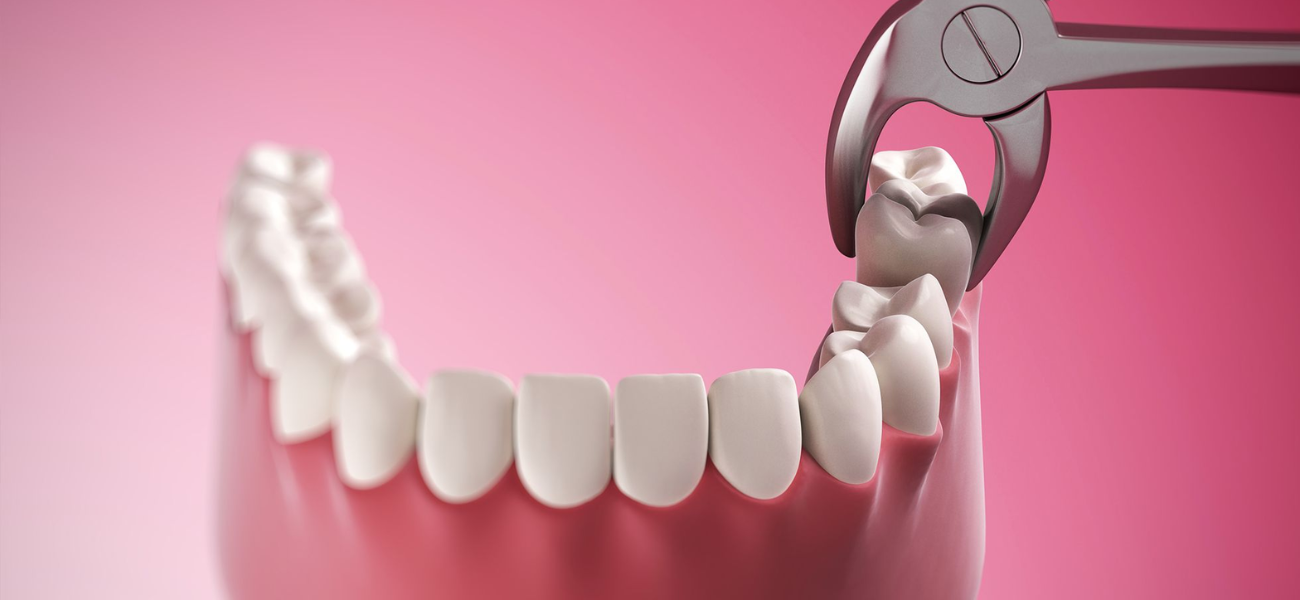
Tooth extraction, whether it’s a routine removal or a more complex procedure like extracting impacted wisdom teeth, involves the removal of a tooth from its socket in the bone. This process can be performed for various reasons, such as severe decay, infection, or orthodontic treatment needs. Post-extraction care is vital to ensure proper healing and prevent complications, and one of the most common concerns among patients is whether they can swallow their saliva after the procedure.
Saliva plays an essential role in maintaining oral health by keeping the mouth moist, aiding in digestion, and protecting teeth and gums from harmful bacteria. However, following tooth extraction, patients often wonder if swallowing saliva can interfere with the healing process or dislodge the blood clot that forms in the extraction site.
The Role of Saliva in Oral Healing
Saliva is more than just a liquid in your mouth. It contains enzymes, antibodies, and growth factors that contribute to healing and maintaining oral health. After tooth extraction, saliva continues to be produced, which can sometimes lead to concerns about swallowing it.
Swallowing saliva is not only natural but necessary. It helps keep your mouth clean and reduces the risk of infection by washing away food particles and bacteria. However, it’s important to understand how to manage saliva post-extraction to ensure that it doesn’t negatively impact the healing process.
Why Swallowing Saliva is Safe After Extraction
A common fear after tooth extraction is that swallowing saliva might disturb the blood clot that forms at the extraction site. This clot is crucial as it acts as a protective layer over the wound, helping it to heal and preventing complications such as dry socket. However, normal swallowing should not dislodge the clot.
The action of swallowing is gentle and doesn’t create the kind of force that would move the clot. Problems only arise if patients engage in activities that involve excessive suction, such as using a straw or vigorous spitting, which can dislodge the clot and delay healing. Therefore, patients can and should swallow their saliva normally after the procedure.
Managing Excess Saliva After Tooth Extraction
Increased saliva production is a common response to tooth extraction, as the body’s natural reaction to the procedure. This can sometimes feel uncomfortable or worrying, especially when you’re trying to avoid disturbing the extraction site. Here’s how to manage it effectively:
1. Stay Calm and Swallow Normally
It’s natural to feel concerned about swallowing after an extraction, but it’s essential to remain calm. Trying to avoid swallowing can cause a buildup of saliva, which may increase discomfort. Swallowing normally is safe and necessary for maintaining oral hygiene and comfort.
2. Avoid Spitting and Suction
Spitting, especially in the first 24 hours post-extraction, can create negative pressure in the mouth, which might dislodge the clot. If you feel the need to expel excess saliva, let it drool out gently instead of forcefully spitting. Similarly, avoid using straws or any action that requires suction, as this can also disrupt the clot.
3. Maintain Proper Post-Extraction Care
Following your dentist’s instructions for post-extraction care is crucial. This typically includes avoiding hot beverages, not rinsing your mouth for the first 24 hours, and taking prescribed medications as directed. Proper care will minimize complications and ensure a smooth recovery process.
Common Misconceptions About Swallowing Saliva Post-Extraction
Many patients have concerns about swallowing after a tooth extraction, often due to misconceptions about the impact of saliva on the healing process. Let’s address some of these myths:
1. Swallowing Causes Dry Socket
Dry socket is a painful condition where the blood clot at the extraction site is dislodged, exposing the bone and nerves. While this is a serious complication, it is not caused by swallowing saliva. Factors such as smoking, vigorous rinsing, or spitting are more likely to cause dry socket. Swallowing normally does not generate enough force to dislodge the clot.
2. You Should Avoid Swallowing to Prevent Infection
This misconception likely arises from the idea that saliva could carry bacteria to the wound. However, saliva contains enzymes and antibodies that actually help protect the mouth from infection. Avoiding swallowing can lead to discomfort and isn’t necessary for preventing infection.
3. Excess Saliva Means Something is Wrong
Increased saliva production is a common and normal response to tooth extraction. It doesn’t indicate that there is an issue with the healing process. Your body naturally produces more saliva to help cleanse the mouth and promote healing. As long as you’re following post-extraction care guidelines, excess saliva should not be a cause for concern.
Tips for a Smooth Recovery After Tooth Extraction
Ensuring a smooth recovery after tooth extraction involves following specific guidelines and understanding the healing process. Here are some tips to help you manage your recovery effectively:
1. Follow Your Dentist’s Instructions
Your dentist will provide detailed instructions for post-extraction care. These instructions are designed to minimize the risk of complications and promote healing. Following these guidelines is the best way to ensure a smooth recovery.
2. Keep Your Head Elevated
Keeping your head elevated, especially in the first few hours after the extraction, can help reduce swelling and bleeding. Prop yourself up with pillows when lying down to ensure that your head remains above your heart level.
3. Use Ice Packs to Reduce Swelling
Applying ice packs to the outside of your face near the extraction site can help minimize swelling and discomfort. Use the ice pack for 20 minutes on and 20 minutes off during the first 24 hours.
4. Stick to a Soft Food Diet
Eating soft foods for the first few days after the extraction can help prevent irritation to the extraction site. Foods like yogurt, mashed potatoes, and applesauce are good options. Avoid hard, crunchy, or hot foods that could disturb the healing process.
5. Stay Hydrated
Drinking plenty of water is essential for staying hydrated and promoting healing. However, avoid using a straw, as the suction can dislodge the clot. Drink directly from a glass to stay safe.
When to Seek Help
While swallowing saliva is normal and necessary after tooth extraction, certain symptoms may indicate complications that require professional attention. These include:
- Severe or worsening pain: Some discomfort is expected after extraction, but if the pain intensifies or doesn’t improve after a few days, it may be a sign of dry socket or infection.
- Excessive bleeding: A small amount of bleeding is normal, but if the bleeding is heavy or doesn’t stop after several hours, contact your dentist.
- Fever or chills: These symptoms may indicate an infection and should be addressed promptly.
- Pus or a foul taste in the mouth: This could be a sign of an infection at the extraction site.
If you experience any of these symptoms, it’s essential to contact your dentist immediately for evaluation and treatment.
The Importance of Follow-Up Visits
After tooth extraction, follow-up visits with your dentist are crucial to ensure proper healing and to address any concerns that may arise during recovery. These visits allow your dentist to check the extraction site, remove any stitches if necessary, and provide further guidance on oral care as you heal.
Regular follow-up visits also help monitor your overall oral health and ensure that no complications develop. Even if you feel that your recovery is going smoothly, it’s important to keep these appointments to ensure that your mouth is healing as it should.
Long-Term Oral Care After Tooth Extraction
Taking care of your oral health doesn’t end after the extraction site heals. Long-term oral care is essential for maintaining healthy teeth and gums and preventing future dental issues. Here’s how you can continue to care for your mouth after an extraction:
1. Brush and Floss Regularly
Once your mouth has healed, return to your regular brushing and flossing routine. Use a soft-bristled toothbrush and fluoride toothpaste to clean your teeth twice a day. Floss daily to remove plaque and food particles from between your teeth.
2. Maintain a Balanced Diet
A balanced diet rich in vitamins and minerals supports oral health. Foods high in calcium, vitamin D, and phosphorus strengthen teeth and bones. Avoid sugary foods and drinks, which can contribute to tooth decay.
3. Visit Your Dentist Regularly
Regular dental check-ups are essential for maintaining oral health. Your dentist can detect and address any issues before they become serious problems. Schedule check-ups every six months or as recommended by your dentist.
Final Thoughts on Swallowing Saliva After Tooth Extraction
Swallowing saliva after tooth extraction is a natural and necessary part of the healing process. It’s important to follow your dentist’s post-extraction care instructions and avoid activities that could disrupt the healing clot, such as spitting or using straws. With proper care and attention, you can ensure a smooth recovery and maintain good oral health.
If you’re undergoing Wisdom Teeth Extractions in Chatsworth or any other type of tooth extraction, rest assured that swallowing saliva is safe and won’t harm your recovery. Always reach out to your Dentist Chatsworth if you have any concerns or experience unusual symptoms during your recovery process.