Dental Implants in Chatsworth, CA Chatsworth, CA

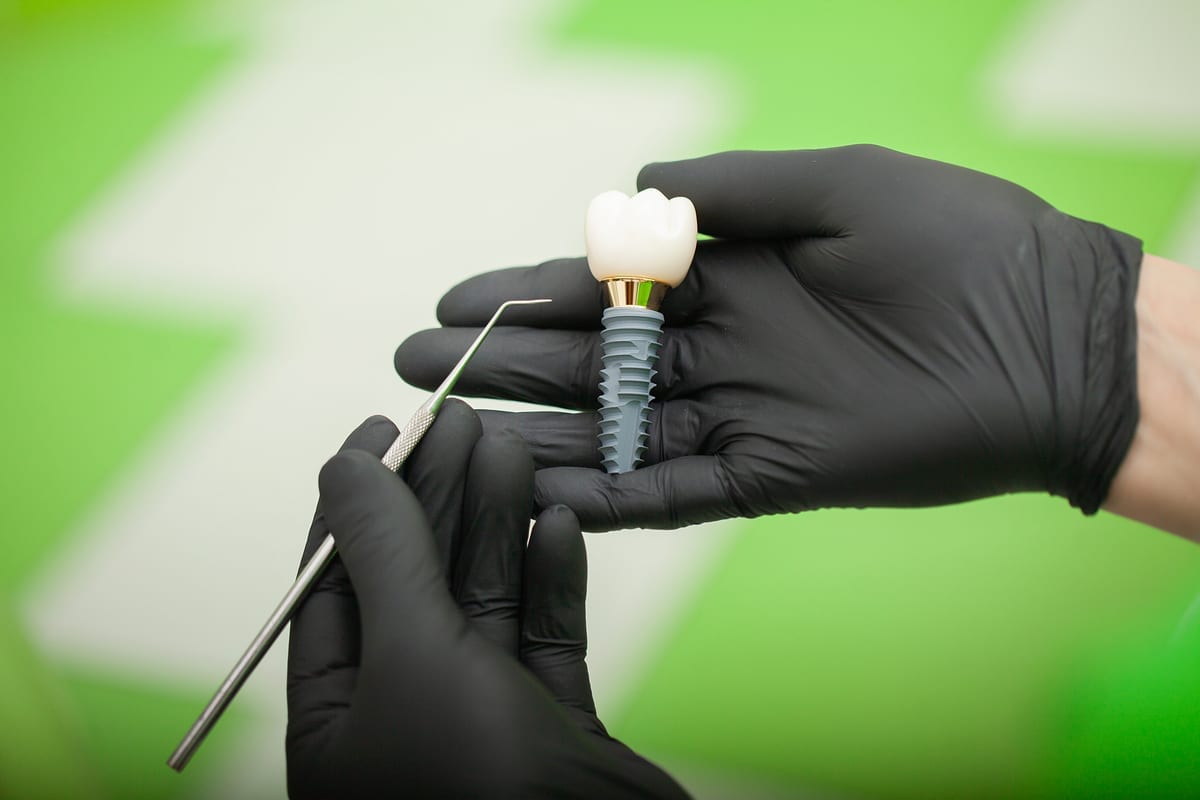
So you’re missing a tooth — or several. You’ve heard dental implants are the gold standard for replacement. But now you’re asking yourself: Am I actually a good candidate? That question comes up constantly at Chatsworth Family Dental Group. Patients from Northridge and surrounding communities want real answers — not vague reassurances. This article breaks down exactly what Dr. Ashley Jan evaluates before recommending implants.
What Does ‘Being a Candidate’ Actually Mean for Dental Implants?
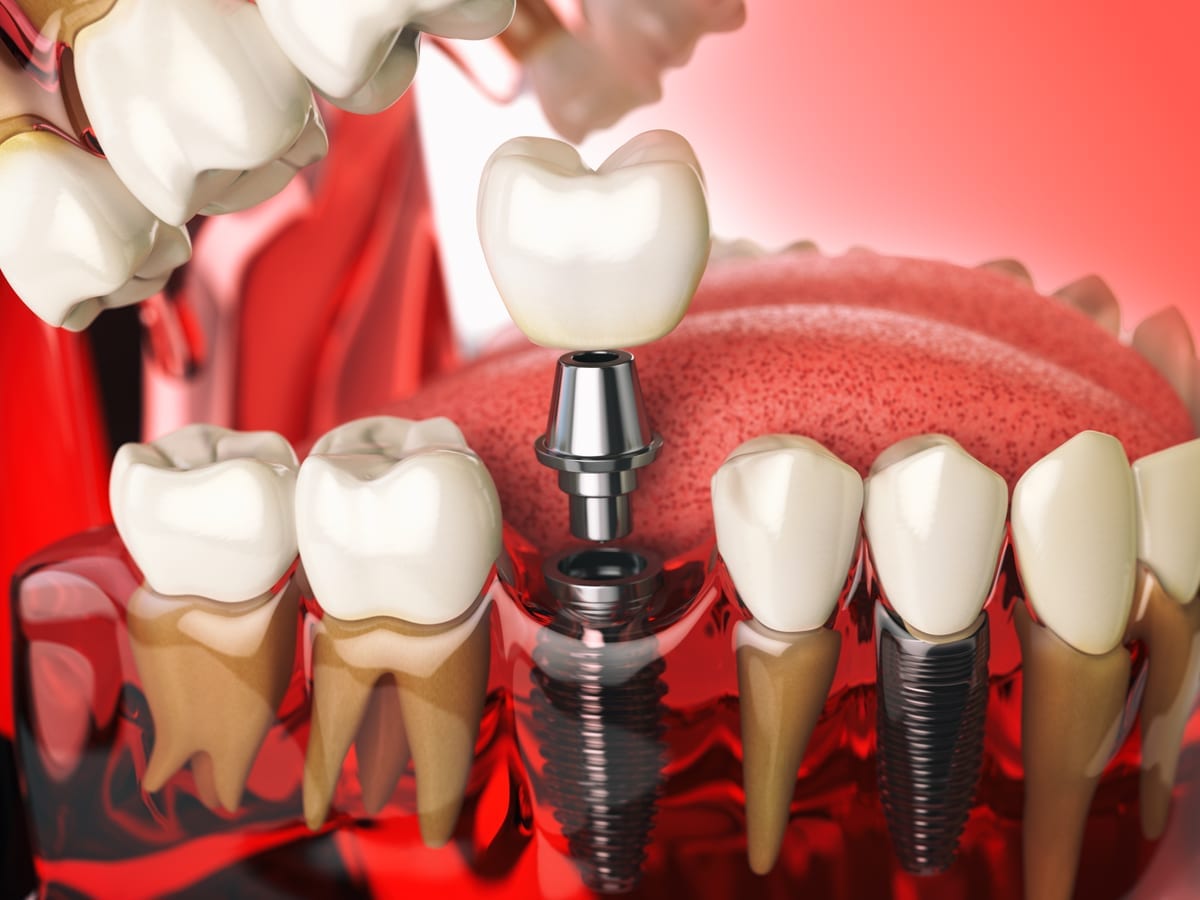
When we say someone is a candidate for dental implants, we mean their body can support the process. Implants are titanium posts placed directly into your jawbone. They need stable bone, healthy gums, and a body that heals predictably. Not everyone qualifies right away — but more people qualify than they expect.
The evaluation isn’t just a quick glance in your mouth. Dr. Jan uses digital X-rays and a thorough health review. Every factor matters. The goal is to make sure your implant lasts decades, not just a few years.
Patients in Northridge often come in nervous about whether they’ll qualify. Many assume their age or a health condition automatically rules them out. That’s rarely the case. Let’s walk through what we actually check.
Bone Density: The Most Critical Factor We Check in Northridge
Your jawbone must be dense enough to hold an implant securely. Think of it like a foundation — a house needs solid ground beneath it. After tooth loss, the jawbone begins to shrink. This process is called resorption, and it happens faster than most people realize.
If you’ve been missing a tooth for years, you may have experienced bone loss. That doesn’t automatically disqualify you. Bone grafting is a procedure that rebuilds lost bone. Dr. Jan can assess whether grafting is needed before placing your implant.
Here are the key bone-related factors we evaluate:
- Jawbone height and width at the implant site
- Bone density measured through digital X-rays or 3D imaging
- Signs of active bone loss from gum disease
- Previous tooth extractions and how long ago they occurred
Bone grafting does add time to your treatment plan. But it makes implants possible for patients who would otherwise be told no. It’s worth the conversation.
How Age and Overall Health Affect Your Candidacy
There is no upper age limit for dental implants. Patients in their 70s and 80s receive implants successfully every year. What matters more is your overall health and healing ability. Age alone is never a disqualifier.
However, there is a lower age consideration. Teenagers and younger patients are typically not candidates yet. Their jawbones are still growing and developing. Placing an implant too early can interfere with that growth.
Certain health conditions do affect candidacy. Dr. Jan reviews your full medical history during the consultation. Here’s what we look at closely:
- Uncontrolled diabetes — slows healing and increases infection risk
- Autoimmune disorders — may affect how the body accepts the implant
- Blood thinning medications — can affect surgical safety and healing
- Osteoporosis — especially if you take bisphosphonate medications
- Active cancer treatment — radiation to the jaw can impact bone health
Managing these conditions first often makes implants possible. We work with your primary care physician when needed. The goal is always to find a safe path forward.
Does Smoking Disqualify You From Getting Dental Implants?
Smoking significantly increases the risk of implant failure. Nicotine restricts blood flow to the gums and bone. This slows healing and makes infection more likely after surgery. It’s one of the most honest conversations we have with patients.
Smokers are not automatically disqualified. But the failure rate is notably higher compared to non-smokers. Dr. Jan will discuss the risks openly so you can make an informed decision. Some patients choose to quit before treatment — and that makes a real difference.
Vaping and smokeless tobacco carry similar concerns. They affect circulation and healing just like traditional cigarettes. If you use any tobacco products, tell Dr. Jan during your consultation. Honesty helps us build the safest plan for you.
What Happens During Your Implant Candidacy Consultation?
Your first visit is a comprehensive evaluation — not a sales pitch. Dr. Ashley Jan takes time to understand your dental and medical history. She examines your gums, teeth, and bite. Then she reviews your imaging to assess bone structure.
If you’re a strong candidate, she’ll walk you through the full treatment timeline. If there are barriers — like bone loss or gum disease — she’ll explain what needs to happen first. You’ll leave the appointment with clarity, not confusion.
At Chatsworth Family Dental Group, we believe in education over pressure. Our team serves patients from Northridge, Chatsworth, and nearby communities. We also offer Pediatric Dentistry for younger family members, so we understand every stage of dental development. That full-family perspective shapes how we evaluate each patient as an individual.
If implants aren’t right for you right now, we’ll discuss alternatives. Bridges, partial dentures, or other Cosmetic Dentistry options may suit your situation better. No one leaves without a clear next step.
Your Next Step Toward a Stronger, Complete Smile
Wondering if you’re a candidate doesn’t have to mean waiting and worrying. A consultation with Dr. Ashley Jan gives you real answers based on your actual anatomy and health. Most patients are surprised to learn they qualify — or that a simple preparatory step makes them eligible.
Chatsworth Family Dental Group is here to guide you through every question. Our Northridge-area patients deserve honest, thorough care — and that’s exactly what we provide. Book Now to schedule your appointment with our team.
Frequently Asked Questions
Can I get dental implants if I have diabetes?
Yes, but diabetes must be well-controlled first. Uncontrolled blood sugar slows healing and raises infection risk after implant surgery. Patients with managed diabetes often proceed successfully. Dr. Jan will coordinate with your physician to confirm it’s safe to move forward.
How long does the dental implant process take?
The full process typically takes several months from start to finish. After the implant post is placed, the bone needs time to fuse around it — a process called osseointegration. This usually takes three to six months. If bone grafting is needed, additional healing time is required before placement.
What if I don’t have enough bone for an implant?
Insufficient bone doesn’t automatically rule out implants. A bone graft procedure can rebuild the jawbone to support an implant. Dr. Jan will evaluate how much bone is present and whether grafting is appropriate. Many patients who initially lack adequate bone become strong candidates after grafting.
Is there an age limit for dental implants?
There is no maximum age limit — adults of any age can receive implants if they are in good health. However, implants are typically not placed in younger patients whose jaws are still developing. Most providers wait until the late teens or early adulthood. Dr. Jan will assess jaw development before recommending implants in younger patients.
Are dental implants painful to get?
Most patients report the procedure is more comfortable than they expected. Local anesthesia is used throughout the process to minimize discomfort. Some soreness and swelling occur in the days following surgery. Over-the-counter pain relievers and prescribed aftercare instructions typically manage recovery well.