Your Dental Implant Recovery Timeline: What to Expect Each Week Chatsworth, CA

Getting dental implants is a life-changing decision. But many patients in Northridge, CA wonder what happens after the procedure. Understanding your dental implant recovery timeline week by week helps you feel prepared and confident. Dr. Ashley Jan and the team at Chatsworth Family Dental Group want you to know exactly what to expect each step of the way.
Recovery looks different for everyone. However, most patients follow a predictable healing pattern. Knowing what is normal — and what is not — makes the process far less stressful. This guide walks you through each phase of recovery so you can heal comfortably and successfully.
Week One: Managing Swelling, Pain, and Bleeding After Implant Placement
The first week is the most intense part of your recovery. You may experience swelling, mild bleeding, and soreness around the implant site. These reactions are completely normal. Your body is beginning the healing process.
Pain typically peaks within the first 48 to 72 hours. Your dentist will recommend over-the-counter pain relievers or prescribe medication if needed. Apply a cold pack to your cheek in 20-minute intervals. This reduces swelling effectively during those first critical days.
Here is what you should do during week one:
- Rest as much as possible for the first 24 to 48 hours
- Eat only soft foods like yogurt, mashed potatoes, and smoothies
- Avoid hot liquids and carbonated drinks
- Do not rinse vigorously — gently rinse with warm salt water after meals
- Avoid smoking or using straws, which can disrupt healing
Bleeding should slow significantly within the first day. Bite gently on gauze if bleeding persists. Contact our office right away if bleeding does not improve after 24 hours.
Weeks Two Through Four: Soft Tissue Healing and Your Northridge Recovery Routine
By week two, most patients notice a significant improvement. Swelling decreases and discomfort becomes much more manageable. You will likely return to most normal activities during this phase. However, you still need to protect the implant site carefully.
Your gum tissue heals quickly compared to the bone underneath. The outer wound may look closed, but deeper healing is still happening. Avoid chewing directly on the implant area. Stick to soft foods for at least two to four weeks post-surgery.
Good foods to enjoy during weeks two through four include:
- Scrambled eggs and oatmeal
- Soft fish and cooked vegetables
- Pasta and rice dishes
- Bananas, avocados, and soft fruits
- Soup with small, tender pieces of meat
Oral hygiene is critical during this period. Brush gently around the implant with a soft-bristle toothbrush. Your dentist may recommend a special rinse to reduce bacteria. Keeping the area clean prevents infection and supports proper healing.
Months Two Through Six: Osseointegration — The Most Important Phase of Recovery
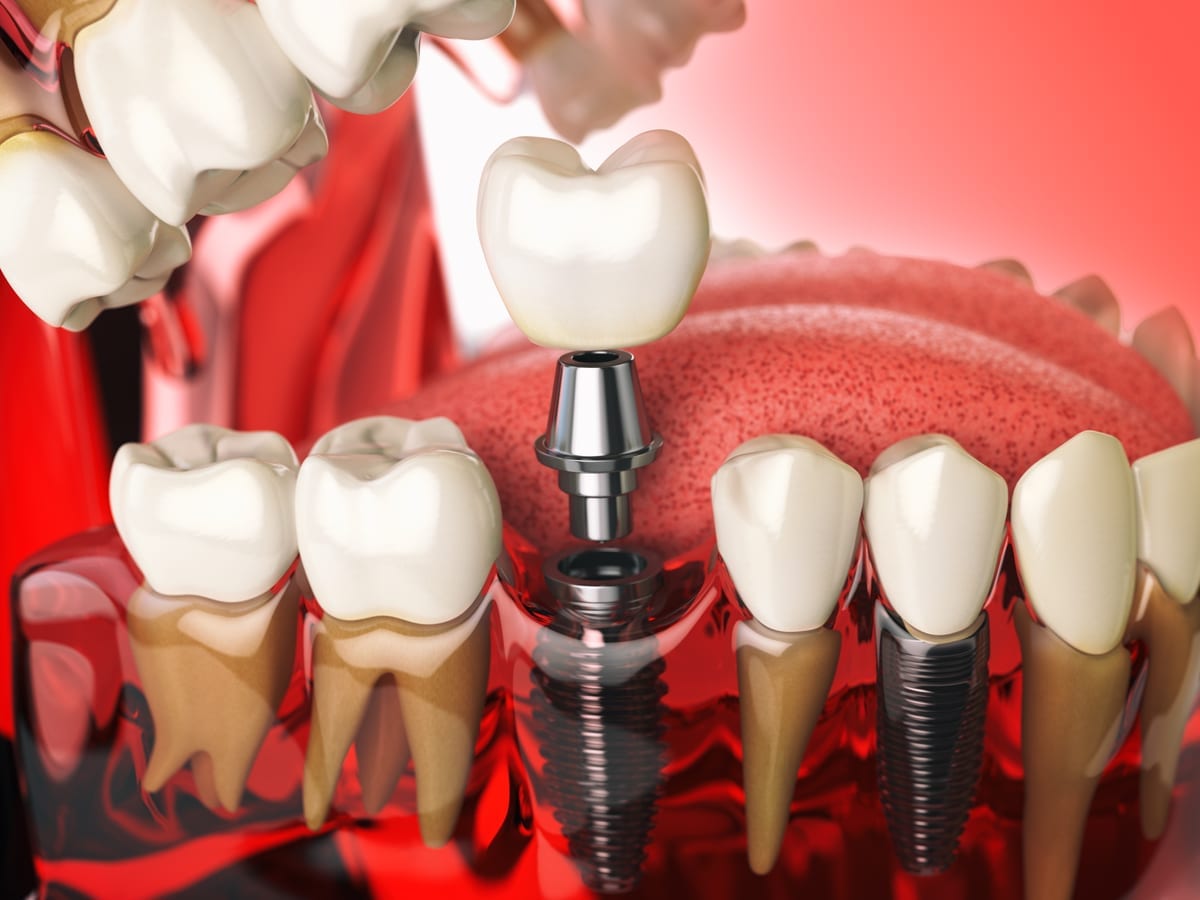
This phase is where the real magic happens. Osseointegration is the process where the implant fuses with your jawbone. It typically takes three to six months to complete. This step is what makes dental implants so durable and long-lasting.
During osseointegration, you may not feel much at all. That is actually a good sign. The implant is quietly bonding with the surrounding bone. Most patients return to their normal diet gradually during this phase.
You will have follow-up appointments at Chatsworth Family Dental Group to monitor your progress. Dr. Ashley Jan uses these visits to check for proper fusion. X-rays confirm that the bone is integrating correctly around the implant post. Missing these appointments can delay your treatment plan.
Avoid hard, crunchy, or extremely sticky foods until your dentist clears you. Foods like popcorn, hard candy, and crusty bread can put stress on the site. Patience during this phase protects your long-term investment. Think of osseointegration as the foundation of your new smile.
Final Placement and Long-Term Care: Protecting Your Implant for Life
Once osseointegration is complete, your dentist places the final crown. This custom-made crown matches your natural teeth in shape and color. It is designed to blend seamlessly with your smile. Patients are often amazed at how natural the result looks and feels.
Long-term care for dental implants is straightforward. Treat them much like your natural teeth. Brush twice daily, floss regularly, and attend routine cleanings. The implant itself cannot decay, but the surrounding gum tissue still needs attention.
Protect your implant with these ongoing care habits:
- Schedule professional cleanings every six months
- Wear a night guard if you grind your teeth
- Avoid chewing on ice, pens, or hard objects
- Quit smoking to support long-term gum health
- Report any changes in fit or discomfort to your dentist promptly
Dental implants can last a lifetime with proper care. Many patients also explore Cosmetic Dentistry Northridge options to enhance their full smile after implant placement. Veneers and teeth whitening pair beautifully with new implants for a complete transformation.
If you have younger family members curious about dental care, our team also offers Pediatric Dentistry Northridge services to keep every member of your household healthy from an early age.
When to Call Your Dentist During Implant Recovery
Most recovery experiences are smooth and uneventful. However, some warning signs require prompt attention. Recognizing these signs early prevents complications. Do not hesitate to contact Dr. Ashley Jan if you notice anything unusual.
Reach out to our office right away if you experience:
- Severe or worsening pain beyond the first few days
- Persistent swelling that does not improve after one week
- Unusual discharge, pus, or a bad taste around the implant
- The implant feeling loose or shifting position
- Fever or signs of infection such as chills or fatigue
These symptoms are uncommon but should never be ignored. Early intervention protects the implant and your overall oral health. Our team is always available to answer your questions and address concerns quickly. You are never alone through the recovery process.
Your Recovery, Your Timeline — Start With Confidence in Northridge
Every patient heals at their own pace. Your dental implant recovery timeline depends on your overall health, bone density, and how well you follow post-operative instructions. The good news is that most Northridge patients recover smoothly and enjoy beautiful, lasting results. With the right guidance and support, the process is very manageable.
Dr. Ashley Jan and the Chatsworth Family Dental Group team are dedicated to making your implant journey as comfortable as possible. We provide clear instructions, regular check-ins, and compassionate care at every stage. Your smile is worth every step of this process. Book Now to schedule your appointment with our team.
Frequently Asked Questions
How long does dental implant recovery take in total?
Full dental implant recovery typically takes three to six months. This timeline accounts for osseointegration, which is the process of the implant fusing with your jawbone. The initial soreness and swelling usually resolve within one to two weeks. Your dentist will monitor your progress throughout each phase.
What can I eat during dental implant recovery?
During the first few weeks, stick to soft foods like yogurt, mashed potatoes, scrambled eggs, and smoothies. As healing progresses, you can gradually reintroduce firmer foods. Avoid hard, crunchy, or sticky foods until your dentist gives you the all-clear. Following these dietary guidelines protects the implant site and supports faster healing.
Is it normal to have pain weeks after getting dental implants?
Mild discomfort in the first one to two weeks is normal. Significant pain beyond that point should be reported to your dentist. Persistent or worsening pain can sometimes indicate an infection or implant issue. Dr. Ashley Jan can evaluate your symptoms and recommend the right course of action.
How do I keep my dental implant clean during recovery?
Gently brush around the implant with a soft-bristle toothbrush twice a day. Rinse with a warm salt water solution after meals during the early healing phase. Avoid vigorous rinsing or spitting for the first 24 hours. Your dentist may also prescribe a special antibacterial rinse to reduce infection risk.
Can dental implants fail during recovery?
Implant failure is rare but can occur if the implant does not integrate properly with the bone. Risk factors include smoking, uncontrolled health conditions, and poor oral hygiene. Following your dentist’s post-operative instructions greatly reduces this risk. Attending all follow-up appointments ensures any potential issues are caught and addressed early.