Dental Implants: What You Need to Know Chatsworth, CA

Dental Implants: A Complete Patient Guide
Dental Implants are one of the most effective solutions for replacing missing teeth. They function like natural tooth roots. They support crowns, bridges, or dentures with stability. Understanding how they work helps patients make confident, informed decisions about their oral health. At Chatsworth Family Dental Group, our dental team believes education is the foundation of great care. This guide covers everything you need to know about implants from start to finish.
What Are Dental Implants?
A dental implant is a small titanium post. It is placed directly into the jawbone. Over time, the bone fuses with the post in a process called osseointegration. This creates a strong, permanent anchor for a replacement tooth. The implant itself is not visible once placed. Only the crown — the artificial tooth on top — is visible above the gumline. The result closely mimics the look and feel of a natural tooth.
Implants are different from dentures or bridges. They do not rely on neighboring teeth for support. They stand independently within the jaw. This independence helps preserve the surrounding bone and gum tissue. Bone loss is a common problem after tooth loss. Implants actively help prevent that from happening over time.
Who Is a Good Candidate for Dental Implants?
Most healthy adults are potential candidates for implants. Good candidates have enough jawbone density to support the post. They also have healthy gum tissue free of active disease. Non-smokers tend to have better healing outcomes. Patients with well-managed chronic conditions can often receive implants safely. A thorough evaluation by our dental team helps determine candidacy accurately.
Some patients may need preparatory procedures first. Bone grafting can rebuild areas with insufficient bone density. Gum disease treatment may be needed before implant placement begins. These steps help ensure a successful and long-lasting result. Age is rarely a barrier for adults. However, implants are generally not placed in younger patients whose jaws are still developing.
The Dental Implant Process Step by Step
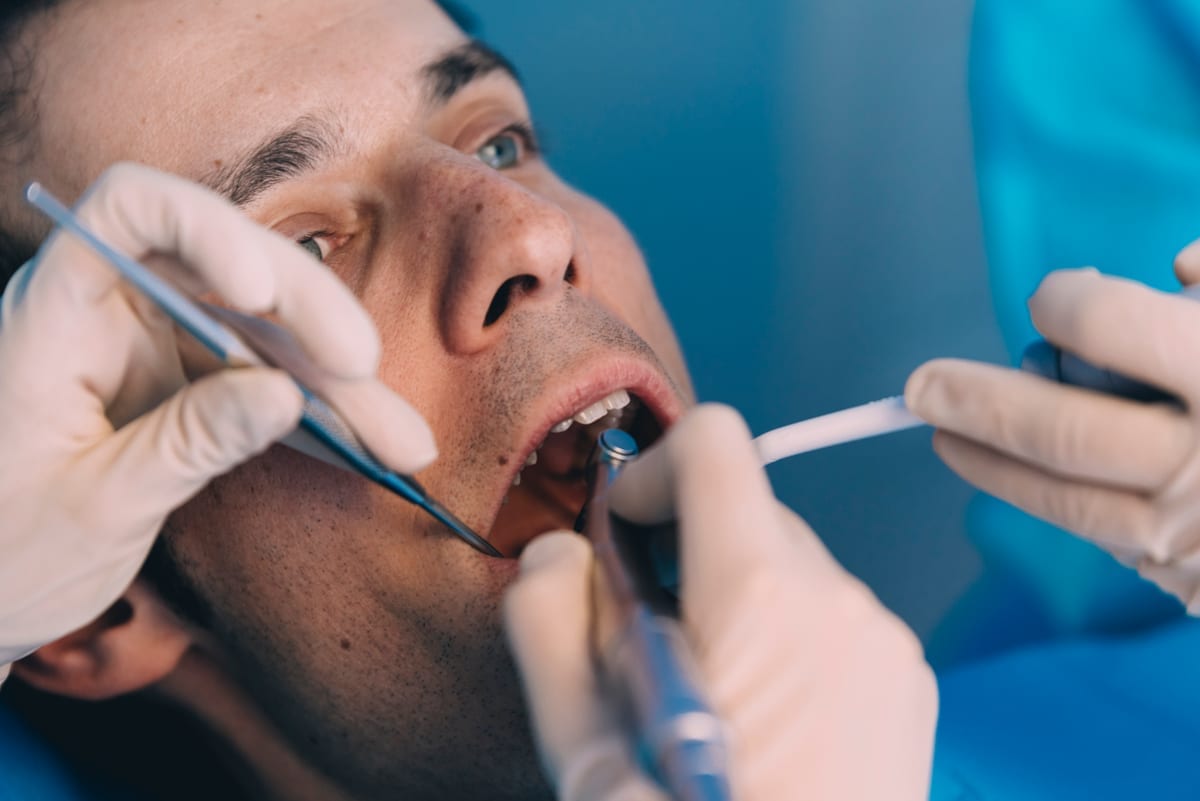
The implant process unfolds in several stages over a few months. First, a comprehensive exam is completed. This includes X-rays and possibly a 3D scan. The dental team then develops a personalized treatment plan. The implant post is surgically placed into the jawbone during the next visit. Local anesthesia keeps patients comfortable throughout the procedure.
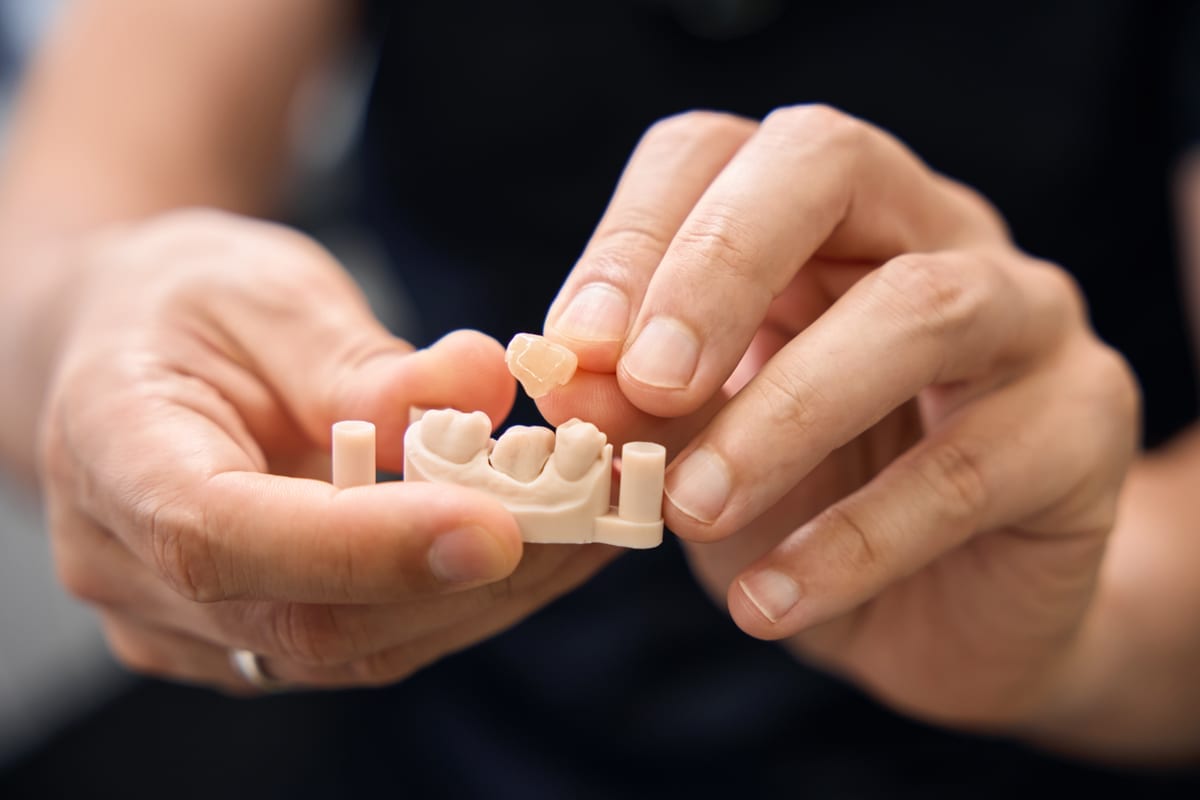
After placement, a healing period begins. This typically lasts between three and six months. During this time, osseointegration takes place. The bone grows around the implant and locks it into position. Once healing is confirmed, an abutment is attached to the post. The abutment connects the implant to the final crown. The crown is then custom-made to match surrounding teeth in size, shape, and color.
Benefits of Choosing Dental Implants
Dental implants offer several meaningful advantages over other tooth replacement options. They feel and function like natural teeth. Patients can eat, speak, and smile with confidence. They do not slip or shift like traditional dentures. There is no need to remove them at night or apply adhesive. Daily oral hygiene routines remain straightforward and familiar.
Long-term oral health is another major benefit. Implants stimulate the jawbone the way natural tooth roots do. This prevents the bone shrinkage that often follows tooth loss. Neighboring teeth also remain undisturbed. Unlike a dental bridge, no healthy tooth structure needs to be altered. With proper care, implants can last many decades. Some patients keep them for life.
Implants also support overall facial structure. Bone loss after tooth loss can cause the face to appear sunken or aged. Implants help maintain the natural contour of the jaw and cheeks. This benefit is especially meaningful for patients who have experienced multiple tooth losses. Explore our full range of dental services to learn how we approach comprehensive oral care.
Caring for Your Dental Implants
Caring for implants is straightforward. Brush twice daily with a soft-bristled toothbrush. Floss at least once each day, including around the implant site. Use a non-abrasive toothpaste to protect the crown surface. An antibacterial mouthwash can also help maintain healthy gums around the implant. These simple habits make a significant difference in long-term implant success.
Regular dental visits are essential after implant placement. Our dental team monitors the implant, crown, and surrounding tissue at each appointment. Early detection of any issue allows for prompt and simple correction. Smoking and heavy alcohol use can negatively affect implant longevity. Patients are encouraged to discuss any lifestyle factors openly with the dental team. Honest conversations lead to better outcomes and longer-lasting results.
How Dental Implants Compare to Other Options
Patients with missing teeth often consider several treatment paths. Removable dentures are a common alternative. They are more affordable upfront but require more daily management. Partial dentures replace only some missing teeth. They rest on the gum and rely on adjacent teeth for support. Many patients find them less comfortable over time compared to implants.
Dental bridges are another option. A bridge uses the teeth on either side of a gap as anchors. These anchor teeth must be filed down to hold the bridge in place. This permanently alters otherwise healthy teeth. Implants avoid this entirely. They also last significantly longer than most bridges. For patients seeking a durable, independent solution, implants are typically the most comprehensive choice available. Learn more about our approach on our about page.
Conclusion
Dental Implants represent a major advancement in restorative dentistry. They restore full function, protect bone health, and closely replicate natural teeth. The process requires commitment, but the long-term benefits are substantial. Our dental team at Chatsworth Family Dental Group is here to guide you through every step with clarity and care. Whether you are missing one tooth or several, implants may be the right solution for your needs. Learn More about how we can help you.
Frequently Asked Questions
How long do dental implants last?
With proper care and regular dental visits, implants can last for many decades. Some patients keep their implants for a lifetime. The crown on top may eventually need replacement after 15 to 20 years of normal wear.
Is the dental implant procedure painful?
Most patients report less discomfort than they expected. Local anesthesia is used during placement to ensure comfort. Mild soreness and swelling after the procedure are normal. These typically resolve within a few days with over-the-counter pain relief.
How many teeth can dental implants replace?
Implants can replace a single tooth, multiple teeth, or even a full arch. Single implants support one crown. Implant-supported bridges replace several teeth using fewer posts. Full-arch restorations use a series of implants to support a complete set of teeth.
Can dental implants fail?
Implant failure is uncommon but possible. Smoking, poor oral hygiene, and uncontrolled health conditions increase the risk. Infection around the implant site, known as peri-implantitis, is the most common cause of failure. Attending regular checkups greatly reduces this risk.
How do I know if I have enough bone for an implant?
A dental X-ray or 3D cone beam scan can assess your bone volume and density. If bone loss has occurred, a bone graft may be recommended before implant placement. Our dental team evaluates each patient individually to determine the best course of action.