What You’ll Actually Feel During Your Root Canal Treatment Chatsworth, CA

If you’ve been told you need a root canal, your mind probably jumped straight to fear. That reaction is completely understandable. But here’s what most patients discover: understanding what you’ll actually feel during your root canal treatment in Chatsworth makes the whole experience far less intimidating. At Chatsworth Family Dental Group, Dr. Ashley Jan believes that informed patients are calm patients. This guide walks you through every stage of the procedure so you know exactly what to expect.
Why Root Canals Have an Undeserved Reputation
Root canals have been feared for decades — but much of that fear comes from outdated stories. Modern techniques and anesthesia have completely changed the experience. Most patients report that the procedure feels similar to getting a routine filling.
The pain people associate with root canals is usually the toothache before treatment — not the treatment itself. Once Dr. Jan removes the infection, your discomfort actually goes away. The procedure is designed to relieve pain, not cause it.
Understanding this distinction matters. You’re not walking into something painful. You’re walking out of something that has already been causing you suffering. That shift in perspective helps a lot.
What You’ll Actually Feel During Your Root Canal Treatment in Chatsworth: Step by Step
Let’s walk through the procedure from start to finish. Each stage is straightforward, and you’ll know what’s happening at every point.
- Step 1 — Numbing the area: Dr. Jan applies a topical gel before the injection. Most patients feel only mild pressure, not a sharp sting.
- Step 2 — Isolation: A small rubber dam keeps the area dry and clean. You won’t taste anything unpleasant.
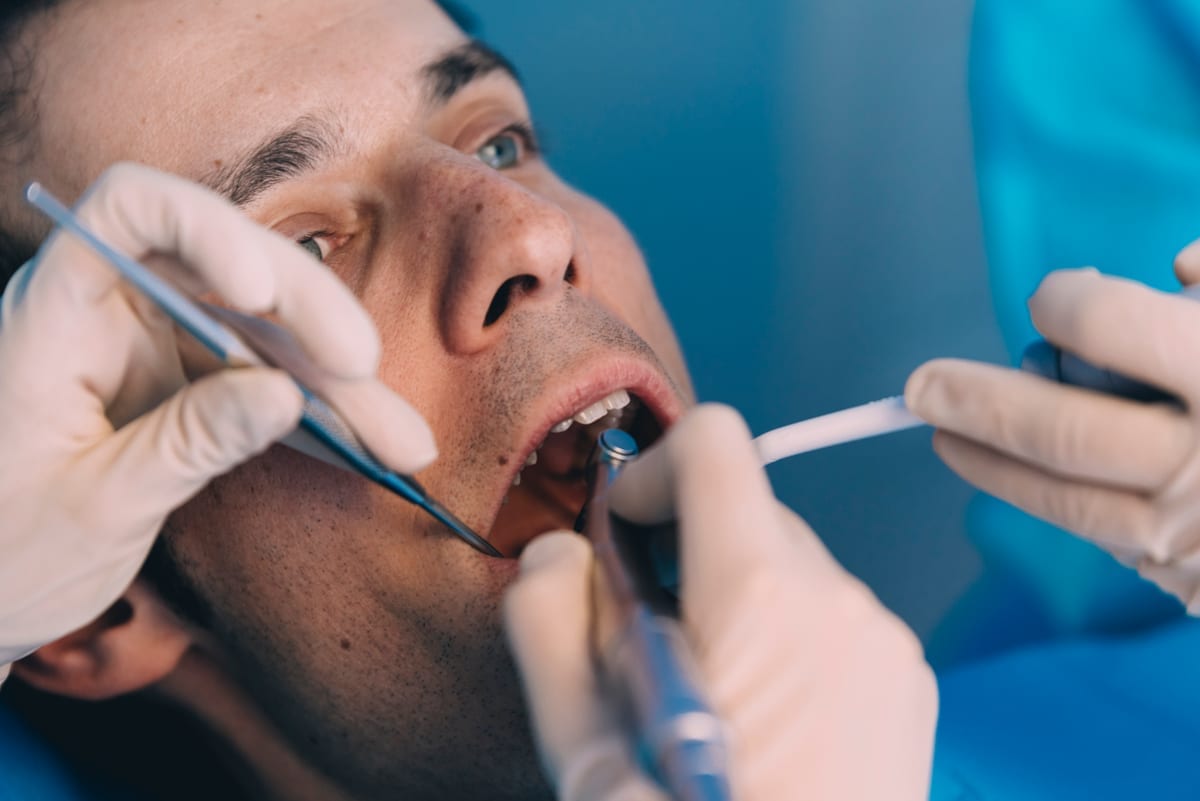
- Step 3 — Accessing the tooth: A small opening is made in the crown of the tooth. You’ll feel vibration but no pain.
- Step 4 — Removing the pulp: Tiny instruments clean out the infected tissue. You may feel slight pressure.
- Step 5 — Shaping the canals: The inner canals are shaped and disinfected. This takes the most time but is painless.
- Step 6 — Sealing the tooth: The canals are filled with a biocompatible material. No sensation is typically felt here.
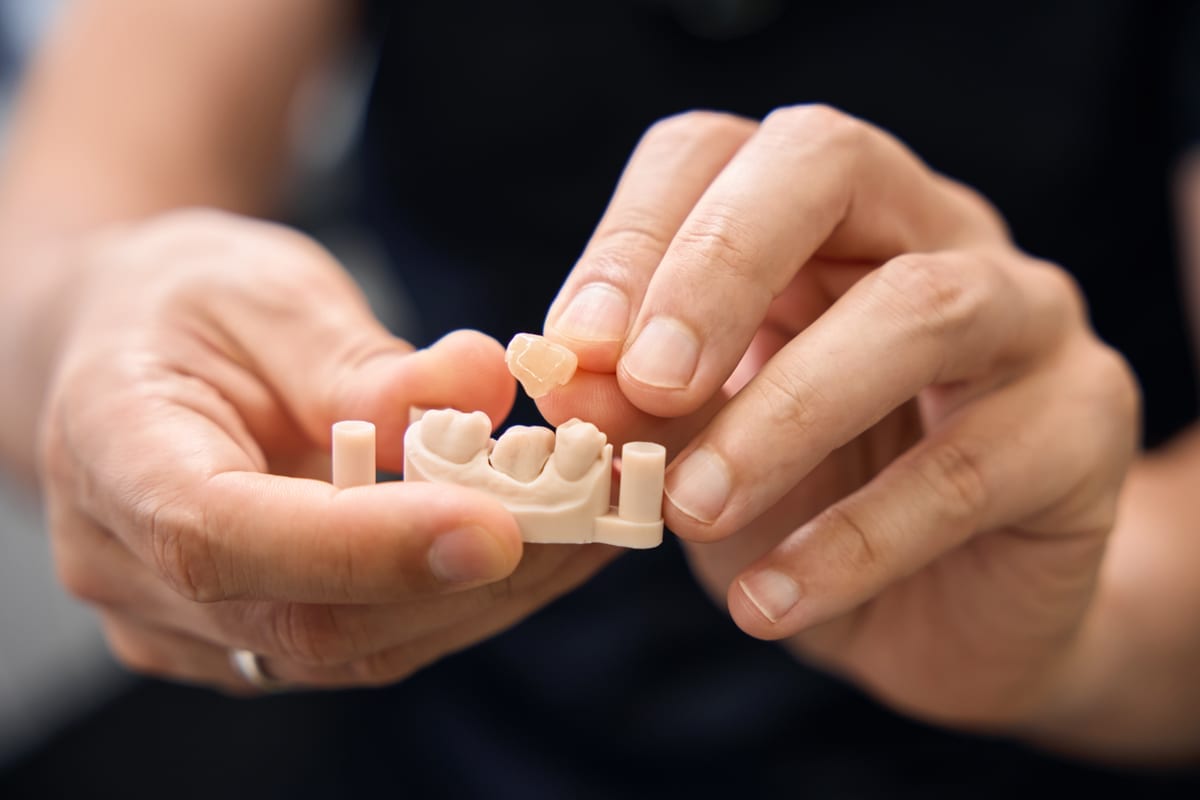
- Step 7 — Temporary or permanent crown: A crown protects the tooth afterward. This may be placed the same day or at a follow-up.
Each step builds on the last. The entire appointment usually takes 60 to 90 minutes. Most patients are surprised by how calm and manageable it feels throughout.
The Numbing Stage: What to Expect From Local Anesthesia
The anesthesia stage is where most anxiety peaks — and where most fears dissolve. Dr. Jan uses a gentle, precise injection technique. The goal is to make you completely comfortable before any work begins.
You’ll feel the topical numbing gel applied to your gum first. That takes effect within a minute or two. Then the anesthetic injection follows. You may feel a brief pinch, but it typically fades within seconds.
Once the area is fully numb, you should feel no pain at all. You might notice pressure, vibration, or a sense of movement. But pain? That’s not part of the equation when the anesthesia is working properly. If you ever feel discomfort during the procedure, simply raise your hand and Dr. Jan will pause immediately.
Mid-Procedure Sensations: What’s Normal and What to Watch For
During the actual cleaning and shaping of the canals, you’ll likely feel a few different sensations. None of them should be painful. Understanding the difference between normal sensations and something worth flagging helps you stay calm.
Normal sensations during a root canal include:
- Pressure from the instruments working inside the tooth
- Vibration from the dental handpiece
- A feeling of fullness in the jaw as the anesthesia works
- Occasional clicking sounds from the instruments
- Mild awareness that something is happening — without any sharpness
If you feel anything sharp or genuinely painful, that’s worth communicating. Dr. Jan can add more anesthesia at any point. Some teeth with deep infections take a little more numbing than others — and that’s completely normal.
The key is open communication. You’re never locked into discomfort. The team at Chatsworth Family Dental Group checks in with you regularly throughout the appointment.
After the Procedure: What Recovery Actually Feels Like
Once the anesthesia wears off — usually within a few hours — you may notice some soreness. This is your body’s natural healing response. It’s usually mild and manageable with over-the-counter pain relievers.
The soreness typically peaks on day one or two. By day three, most patients feel significantly better. The deep throbbing that brought you in is usually gone entirely. That relief is one of the most satisfying outcomes of root canal treatment.
Here’s what recovery looks like for most patients:
- Day 1: Mild to moderate soreness once anesthesia fades
- Day 2: Soreness may peak but is very manageable
- Day 3–5: Noticeable improvement in comfort
- Week 2: Most patients feel completely back to normal
Avoid chewing on that side of your mouth until the final crown is placed. Eat soft foods for a day or two. Call Dr. Jan’s office if you have any questions — the team is always available to help.
Root canal treatment is just one part of comprehensive dental care. Patients at Chatsworth Family Dental Group also benefit from services like Cosmetic Dentistry Chatsworth to restore the full beauty of their smile after treatment. For families with younger children, Pediatric Dentistry Chatsworth is also available under one roof — making dental care simple for the whole family.
You Don’t Have to Face This Alone
Dental anxiety is real, and Dr. Ashley Jan takes it seriously. The entire team at Chatsworth Family Dental Group is trained to support nervous patients. You’ll never feel rushed or judged for having concerns.
If you’ve been avoiding a root canal because of fear, this is your sign to reach out. The procedure is far more comfortable than most people expect. And the relief you’ll feel afterward is absolutely worth it.
Ready to get rid of that toothache for good? Book Now to schedule your appointment with our team.
Frequently Asked Questions
Does a root canal hurt during the procedure?
No — with proper local anesthesia, you should not feel pain during the procedure. You may feel pressure or vibration, but not sharp pain. Dr. Jan can add more anesthesia at any time if needed.
How long does a root canal appointment take?
Most root canal appointments at Chatsworth Family Dental Group take between 60 and 90 minutes. More complex cases may require a second visit to complete the sealing and crown placement.
What should I eat after a root canal?
Stick to soft foods for the first day or two. Good options include yogurt, eggs, mashed potatoes, and soup. Avoid hard, crunchy, or chewy foods until your permanent crown is placed.
Will I need a crown after my root canal?
In most cases, yes. A crown protects the treated tooth and restores its function. Dr. Jan will discuss whether you need a crown placed immediately or at a follow-up appointment.
Is it normal to feel sore after a root canal?
Yes, mild soreness for one to three days after the procedure is completely normal. This is your body healing. Over-the-counter pain relievers are usually all that’s needed to stay comfortable during recovery.