Dental Veneers in Winnetka, CA Chatsworth, CA

If you live in Winnetka and have been wondering about your smile options, you are not alone. Many patients come to us asking about dental veneers explained — what they fix and what they cannot in Winnetka and surrounding communities. Veneers are one of the most popular cosmetic dental treatments today. But they are not a solution for every problem, and understanding the difference matters.
At Chatsworth Family Dental Group, Dr. Ashley Jan takes time to help every patient make informed decisions. This article covers exactly what veneers are, what cosmetic concerns they address, and where their limits lie.
What Are Dental Veneers and How Do They Work?
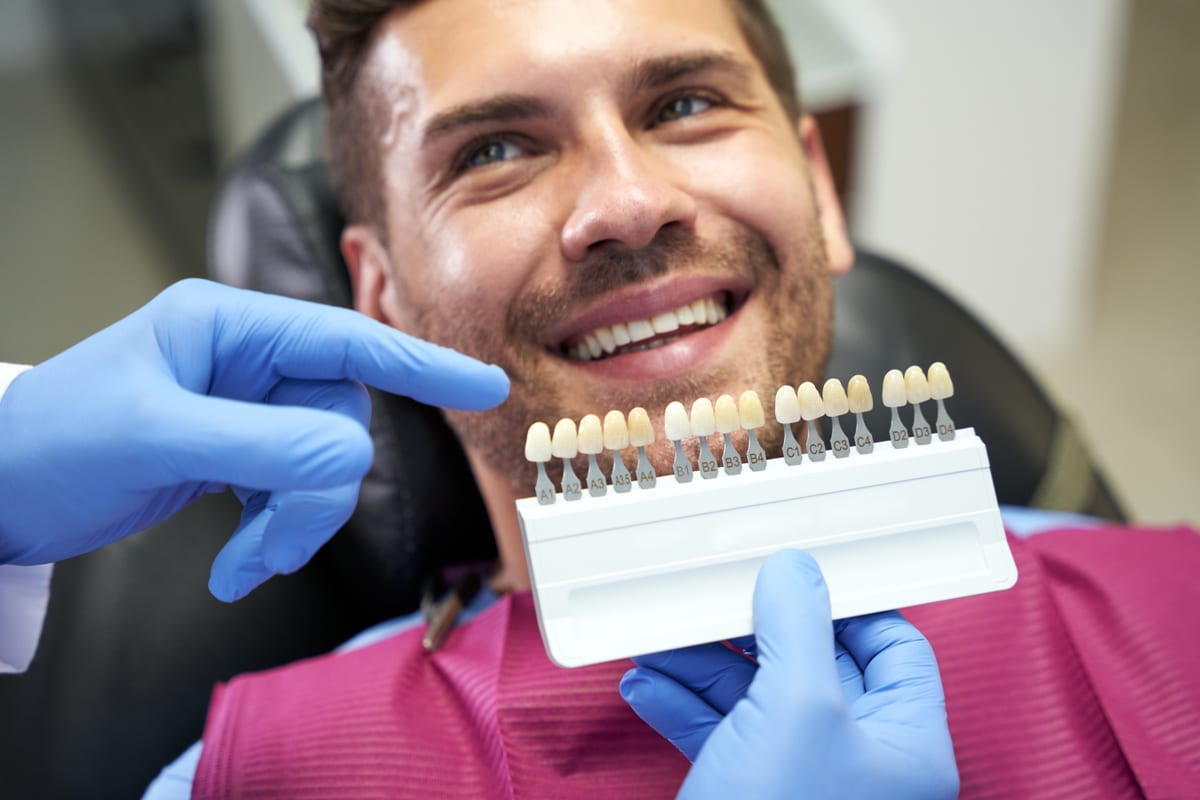
Dental veneers are thin shells bonded to the front surface of your teeth. They are typically made from porcelain or composite resin. Porcelain veneers are the most durable and natural-looking option available today.
The process usually requires two or three appointments. During the first visit, Dr. Jan removes a small amount of enamel from the tooth surface. This creates space for the veneer to sit flush with surrounding teeth.
Impressions are then taken and sent to a dental lab. Custom veneers are crafted to match your natural tooth color and shape. Once ready, they are permanently bonded to your teeth with a special dental adhesive.
Veneers are a long-term commitment. Because enamel is removed, the tooth will always need a veneer or crown covering it. That is why proper consultation is so important before moving forward.
What Dental Veneers Can Fix in Winnetka Patients
Veneers are highly effective for a wide range of cosmetic dental issues. Many Winnetka residents choose veneers to transform their smiles without major dental work. Here is a look at what they address well.
Veneers work best for these concerns:
- Stained or discolored teeth — especially those that do not respond to whitening
- Chipped or cracked teeth — veneers cover surface damage effectively
- Gaps between teeth — veneers can close small spaces without orthodontics
- Mildly misaligned teeth — they create the appearance of straighter teeth
- Worn-down teeth — from grinding or acid erosion
- Irregularly shaped teeth — including teeth that appear too small or uneven
Deep staining from tetracycline antibiotics or fluorosis is a common reason patients seek veneers. Whitening treatments often cannot correct these types of discoloration. Veneers provide full coverage that completely hides the underlying color.
For patients with multiple cosmetic concerns, veneers can address several issues in one treatment. That is one reason they remain a top choice in Cosmetic Dentistry. A single set of veneers can transform the color, shape, and alignment of your smile at once.
What Dental Veneers Cannot Fix — Important Limitations to Know
Understanding the limits of veneers is just as important as knowing their benefits. Veneers are cosmetic restorations — they do not treat underlying dental health problems. Applying veneers to unhealthy teeth creates bigger problems down the road.
Here are situations where veneers are not the right solution:
- Tooth decay — cavities must be treated before any cosmetic work begins
- Gum disease — active periodontal disease disqualifies patients from veneer placement
- Severely misaligned teeth — significant bite issues require orthodontic treatment first
- Teeth with large fillings — there may not be enough natural tooth structure to support a veneer
- Bruxism (teeth grinding) — untreated grinding can crack or dislodge veneers quickly
- Missing teeth — veneers cannot replace missing teeth; implants or bridges are needed
Patients who grind their teeth heavily need to address that habit first. A night guard may be recommended before or after veneer placement. Ignoring bruxism can cause veneers to fail prematurely.
Veneers also cannot repair structural damage deep inside the tooth. If a tooth has a cracked root or severe internal decay, a crown or root canal may be necessary instead. Dr. Jan will evaluate each tooth individually to recommend the right treatment.
Are You a Good Candidate for Veneers? What Dr. Ashley Jan Looks For
Not every patient is a candidate for veneers right away. A thorough exam is the first step at Chatsworth Family Dental Group. Dr. Jan evaluates your overall oral health before discussing any cosmetic options.
Good veneer candidates typically share these traits. They have healthy gums and teeth without active decay. They have enough natural enamel remaining for the bonding process to work effectively.
Patients with mild cosmetic concerns and realistic expectations tend to get the best results. Veneers can create a dramatic improvement, but they work within the natural structure of your mouth. They are not a substitute for orthodontic treatment when significant alignment issues exist.
Your age also plays a role in candidacy. Younger patients whose teeth are still developing may not be ready for veneers. For families with younger children, Pediatric Dentistry services focus on healthy development first, with cosmetic options considered when growth is complete.
Caring for Your Veneers After Placement
Proper aftercare helps veneers last 10 to 15 years or longer. Porcelain veneers are stain-resistant but not completely stain-proof. Limiting coffee, tea, and red wine helps maintain their appearance over time.
Daily brushing and flossing remain essential. Use a non-abrasive toothpaste to avoid scratching the veneer surface. Regular professional cleanings at Chatsworth Family Dental Group keep both your veneers and natural teeth healthy.
Avoid biting hard objects like ice, pens, or fingernails. These habits can chip or crack porcelain veneers just as they can damage natural teeth. If you grind your teeth, wearing a night guard protects your investment significantly.
Routine dental check-ups allow Dr. Jan to monitor your veneers for any wear or changes. Early intervention prevents small issues from becoming costly repairs. Treating your veneers with care gives them the longest possible lifespan.
Schedule Your Veneer Consultation in Winnetka
Deciding whether veneers are right for you starts with a personalized consultation. Dr. Ashley Jan and the team at Chatsworth Family Dental Group serve patients in Winnetka, Chatsworth, and the surrounding areas. We take time to explain every option clearly so you feel confident in your decision.
Whether you want to cover stains, reshape a tooth, or close small gaps, we can help you determine the best path forward. Our goal is always to support your long-term oral health alongside your cosmetic goals. Book Now to schedule your appointment with our team.
Frequently Asked Questions
How long do dental veneers typically last?
Porcelain veneers generally last between 10 and 15 years with proper care. Composite veneers may need replacement sooner, often within 5 to 7 years. Good oral hygiene and regular dental visits help extend their lifespan significantly.
Do veneers require removing a lot of tooth structure?
Only a small, thin layer of enamel is removed — usually less than a millimeter. This is enough to create space for the veneer to bond naturally. The amount removed is minimal compared to what is needed for a dental crown.
Can veneers fix crooked teeth without braces?
Veneers can improve the appearance of mildly misaligned or slightly crooked teeth. However, they are not a substitute for orthodontic treatment in cases of significant misalignment. Dr. Jan will advise whether veneers alone are appropriate for your specific situation.
Are dental veneers painful to get?
Most patients experience little to no discomfort during the veneer process. Local anesthesia is used during enamel preparation to keep you comfortable. Some mild sensitivity after placement is normal and usually resolves within a few days.
What is the difference between veneers and dental crowns?
Veneers cover only the front surface of a tooth and require minimal enamel removal. Crowns cover the entire tooth and are used when more structural support is needed. Dr. Jan recommends the option that best fits the tooth’s condition and your cosmetic goals.