Stop Cavities Before They Start: Your Complete Kids’ Prevention Guide Chatsworth, CA

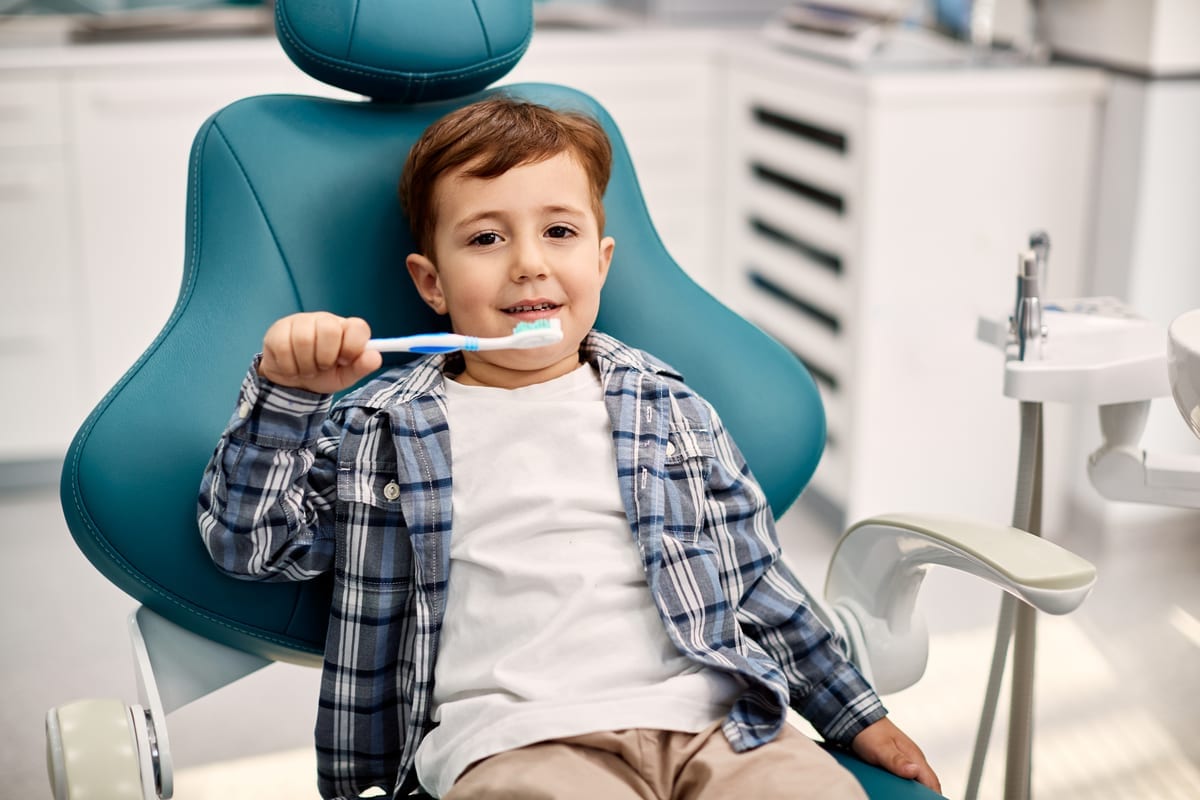
Cavities are the most common chronic childhood disease in the United States. The good news? They are almost entirely preventable. At Chatsworth Family Dental Group, Dr. Ashley Jan helps Chatsworth families stop cavities before they start with practical, age-appropriate strategies. This complete kids’ prevention guide covers everything parents need to know — from brushing technique to diet, fluoride, and dental sealants.
Why Cavity Prevention Starts Earlier Than You Think
Many parents assume baby teeth don’t matter much. After all, they fall out eventually. But that thinking can lead to real problems. Decayed baby teeth cause pain, affect speech development, and can damage the permanent teeth forming underneath.
Decay can begin the moment a baby’s first tooth erupts — sometimes as early as six months old. Bacteria in the mouth feed on sugar and produce acid. That acid attacks enamel and causes cavities quickly in young children.
Starting prevention habits early protects your child now and sets them up for a lifetime of healthy smiles. The American Academy of Pediatric Dentistry recommends a first dental visit by age one. Dr. Ashley Jan welcomes patients at Chatsworth Family Dental Group from that very first visit onward.
Brushing by Age: A Parent’s Step-by-Step Guide for Chatsworth Kids
Brushing technique matters as much as brushing frequency. The right approach changes depending on your child’s age. Here’s a simple breakdown to help every Chatsworth parent get it right.
- 0–12 months: Wipe gums with a clean, damp cloth after feedings. Once the first tooth appears, use a soft infant toothbrush with a smear of fluoride toothpaste the size of a grain of rice.
- 1–3 years: Continue with a rice-sized smear of fluoride toothpaste. Brush for two minutes, twice daily. Parents should do all the brushing at this stage.
- 3–6 years: Increase toothpaste to a pea-sized amount. Begin teaching children to spit, not swallow. Parents should still guide or supervise every session.
- 6–8 years: Children can start brushing independently, but parents must check and finish up. Use gentle circular motions along the gumline and all tooth surfaces.
- 8 years and older: Most children can brush effectively on their own. Continue supervising occasionally to make sure technique stays strong.
Flossing matters too. Begin flossing as soon as two teeth touch each other. That contact point is where cavities love to hide. Make it a routine before bedtime so it becomes second nature.
Diet and Drinks: The Hidden Cavity Triggers Parents Miss
What your child eats and drinks has a huge impact on cavity risk. Sugar is the obvious culprit, but timing and frequency matter just as much as total sugar intake. Sipping juice over an hour is far worse than drinking it quickly with a meal.
Sticky foods like raisins, gummy vitamins, and fruit snacks cling to teeth long after eating. They keep feeding bacteria even when you can’t see food remaining. Crackers and white bread break down into simple sugars in the mouth and act similarly.
Here are some smart dietary habits to protect your child’s teeth:
- Serve juice only at mealtimes and limit it to four to six ounces per day for young children
- Replace sticky snacks with fresh fruit, cheese, or raw vegetables
- Rinse your child’s mouth with water after sugary foods if brushing isn’t possible
- Avoid putting babies to bed with a bottle of milk, juice, or formula
- Encourage water as the primary between-meal drink
- Choose xylitol-sweetened snacks when possible — xylitol actively inhibits cavity-causing bacteria
Chatsworth’s tap water contains fluoride, which gives your child an extra layer of protection every time they drink from the faucet. Encourage water over sugary drinks at every opportunity.
Fluoride and Sealants: Professional Protection That Works
Good home habits are essential, but professional preventive care adds protection that brushing alone cannot match. Two of the most effective tools Dr. Ashley Jan uses are fluoride treatments and dental sealants.
Fluoride treatments strengthen enamel and reverse tiny areas of early decay before they become full cavities. Dr. Jan applies a concentrated fluoride varnish during routine checkups. The process takes only a few minutes and is completely painless. Children at higher cavity risk may benefit from more frequent fluoride applications.
Dental sealants are thin protective coatings painted onto the chewing surfaces of back molars. Those deep grooves and pits are nearly impossible to clean thoroughly with a toothbrush. Sealants seal them off so bacteria and food have nowhere to hide. Research shows sealants reduce cavity risk in molars by nearly 80 percent.
Sealants are most commonly applied when the first permanent molars appear around age six and again when the second permanent molars come in around age twelve. They are quick, affordable, and one of the smartest investments in your child’s dental health. This kind of care fits perfectly within the broader scope of Restorative Dentistry Chatsworth families trust at our practice.
When to Worry: Signs Your Child May Already Have a Cavity
Even with excellent prevention, cavities can still develop. Knowing the warning signs helps you act quickly before a small problem becomes a bigger one. Early-stage cavities are much easier and less expensive to treat.
Watch for these signals in your child’s mouth:
- White spots on teeth — these are early signs of enamel breakdown
- Sensitivity to cold, sweet, or hot foods and drinks
- Visible brown or black spots or holes on teeth
- Tooth pain when biting or chewing
- Swelling or tenderness in the gums near a tooth
- Bad breath that doesn’t improve with brushing
If you notice any of these signs, schedule an appointment promptly. Waiting allows decay to spread and can lead to the need for more extensive treatment. In some cases, untreated decay can affect your child’s overall health.
Dr. Ashley Jan and the team at Chatsworth Family Dental Group provide gentle, compassionate care for children of all ages. We make dental visits feel safe and comfortable so kids actually want to come back. If your child also has cosmetic concerns as they grow older, we offer Cosmetic Dentistry Chatsworth families can rely on for confident, beautiful smiles.
Building Habits That Last a Lifetime
The best cavity prevention strategy is the one your child will actually stick with. Making oral hygiene fun and consistent goes a long way. Use a two-minute timer or a fun brushing app to keep kids engaged. Let them pick their own toothbrush to give them a sense of ownership.
Lead by example. Children who see their parents brushing and flossing are far more likely to build those habits themselves. Regular dental visits every six months reinforce what you teach at home. They also give Dr. Jan a chance to catch any concerns early and keep your child’s smile on the right track.
Preventing cavities in your children is one of the most impactful things you can do for their long-term health and confidence. The Chatsworth Family Dental Group team is here to support your family every step of the way. Book Now to schedule your appointment with our team.
Frequently Asked Questions
At what age should my child first see a dentist?
The American Academy of Pediatric Dentistry recommends scheduling your child’s first dental visit by their first birthday or within six months of their first tooth appearing. Early visits help establish a dental home, catch issues early, and make children comfortable with dental care from a young age.
How much fluoride toothpaste should I use for my toddler?
For children under three, use only a smear of fluoride toothpaste — about the size of a grain of rice. For children ages three to six, use a pea-sized amount. Always supervise brushing to ensure your child spits out the toothpaste rather than swallowing it.
Are dental sealants safe for children?
Yes, dental sealants are safe and highly effective. They are made from a thin plastic-like resin that is painted onto the chewing surfaces of back teeth. The procedure is quick, painless, and does not require any drilling. Major dental organizations, including the American Dental Association, strongly recommend sealants for cavity prevention in children.
How often should my child have a dental checkup?
Most children benefit from a professional cleaning and examination every six months. However, Dr. Ashley Jan may recommend more frequent visits for children with a higher risk of cavities or other developing dental concerns. Regular checkups allow us to monitor growth, apply preventive treatments, and address problems early.
What should I do if my child is afraid of the dentist?
Dental anxiety in children is very common, and the team at Chatsworth Family Dental Group is trained to make every visit gentle and reassuring. Talk positively about dental visits at home, avoid using scary language, and read books about dentist visits with young children. Starting dental care early also helps children become comfortable with routine checkups before anxiety can develop.