Veneer Candidacy Checklist in Winnetka, CA Chatsworth, CA

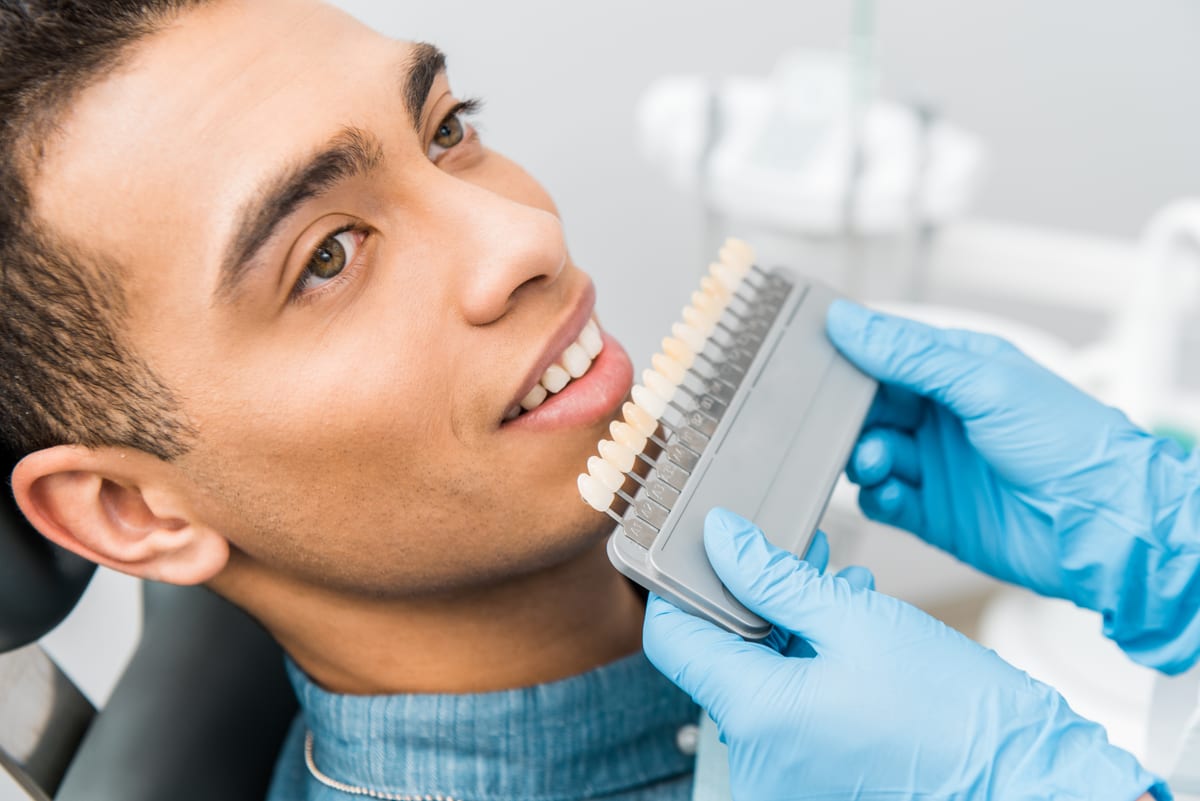
Veneers can completely transform your smile. But are you a veneer candidate? Your self-screening checklist for Winnetka residents starts right here. Many patients in the Winnetka area wonder if veneers are right for them before ever stepping into a dental office. This guide walks you through the key factors Dr. Ashley Jan evaluates at Chatsworth Family Dental Group — so you can arrive at your consultation already informed.
What Are Veneers and Who Are They Really For?
Veneers are thin porcelain or composite shells bonded to the front surface of your teeth. They correct chips, cracks, stains, gaps, and mild misalignment. Cosmetic Dentistry options like veneers are popular because they deliver dramatic results with minimal tooth removal. Not everyone, however, is an ideal candidate.
Veneers work best for patients who want to improve smile aesthetics rather than fix major structural problems. They are not a substitute for orthodontic treatment in severe misalignment cases. Understanding their purpose helps you self-screen honestly before your consultation.
Dr. Ashley Jan evaluates each patient as an individual. No two smiles are exactly alike, and veneer candidacy depends on several intersecting factors.
Checklist Item 1 — Your Tooth Structure Matters
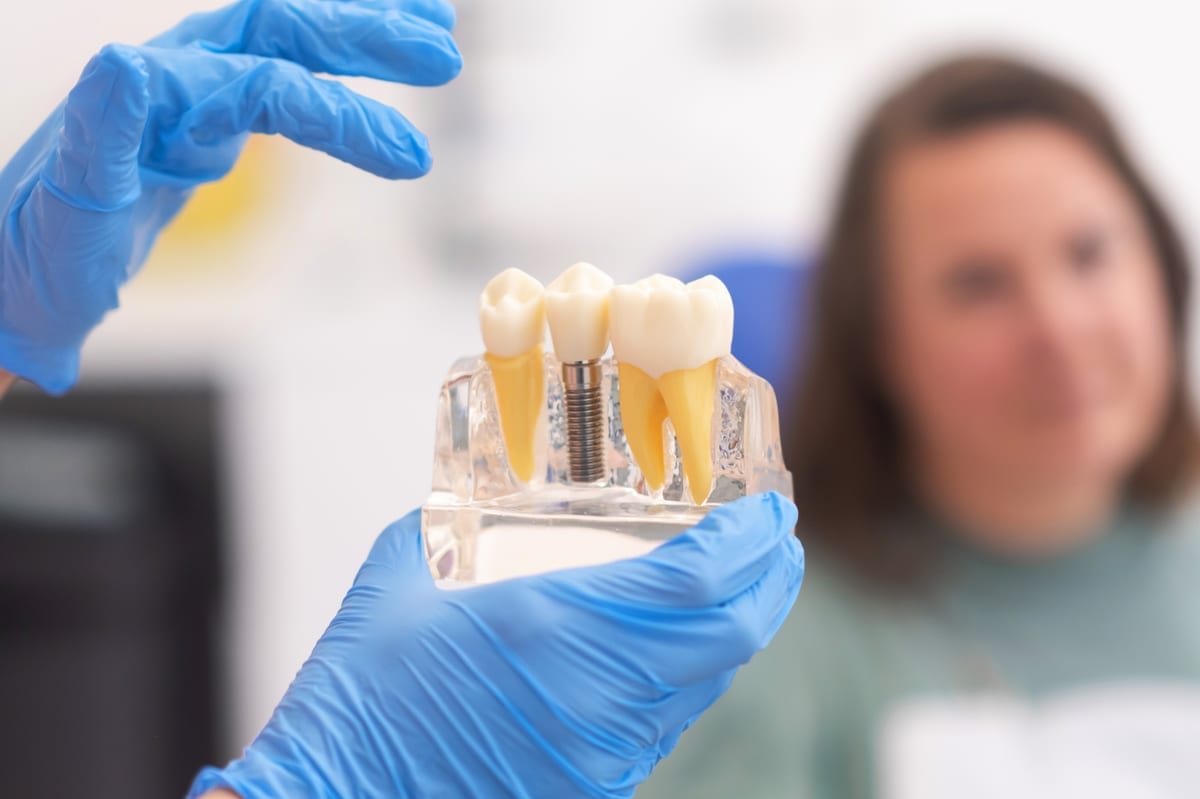
Veneers require a healthy amount of existing tooth enamel. The bonding process involves removing a thin layer of enamel — usually less than a millimeter. If your enamel is already thin or severely worn, veneers may not adhere properly or last as long.
Ask yourself these questions about your tooth structure:
- Do I have significant enamel erosion from acid reflux or diet?
- Are my teeth heavily worn from grinding or clenching?
- Do I have large existing fillings on the front teeth?
- Have I had multiple restorations on the teeth I want veneered?
If you answered yes to several of these, a dental crown may be a better option. Dr. Jan will assess your enamel thickness during your evaluation. Sufficient tooth structure is a non-negotiable starting point for veneer candidacy.
Checklist Item 2 — Gum Health Is a Prerequisite
Healthy gums are essential before any cosmetic dental work. Inflamed, bleeding, or receding gums signal active gum disease. Placing veneers over unhealthy gum tissue leads to poor aesthetics and compromised results over time.
Use this gum health self-check before your consultation:
- Do your gums bleed when you brush or floss?
- Are your gums red, swollen, or tender to touch?
- Have you noticed your gums pulling away from your teeth?
- Has a dentist previously diagnosed you with gum disease?
If you noticed any of these signs, gum treatment comes first. Chatsworth Family Dental Group offers teeth cleaning and periodontal care to get your gums ready. Only after your gums are healthy can veneer placement begin safely.
Winnetka patients should not skip this step. Healthy gums are the foundation of a lasting, beautiful smile.
Checklist Item 3 — Your Bite and Jaw Habits Play a Big Role
Your bite affects how long veneers last. A misaligned bite puts uneven pressure on veneers. This can cause chipping or debonding far sooner than expected.
Dr. Ashley Jan carefully evaluates bite mechanics during every veneer consultation. Certain habits also place veneers at serious risk of damage. Consider whether any of the following apply to you:
- Do you grind or clench your teeth at night (bruxism)?
- Do you bite your nails or chew on pens regularly?
- Do you use your teeth to open bottles or packaging?
- Have you been told your upper and lower teeth do not meet evenly?
Bruxism is one of the most common reasons veneers fail prematurely. If you grind your teeth, Dr. Jan may recommend a custom nightguard to protect your investment. Addressing these habits before or alongside veneer placement greatly improves long-term outcomes.
Checklist Item 4 — Lifestyle Habits That Affect Veneer Success
Certain daily habits influence how well veneers perform over time. Porcelain veneers resist staining better than natural enamel. However, composite veneers can discolor with heavy coffee, tea, or red wine consumption.
Smoking is another major factor. Tobacco stains both composite and porcelain over time. It also increases gum disease risk, which undermines the foundation veneers need to thrive.
Good oral hygiene is non-negotiable for veneer longevity. Brushing twice daily and flossing every day protect the margins where the veneer meets the tooth. Patients who skip regular dental cleanings often experience early veneer failure.
Think about your current oral hygiene routine honestly. If it needs improvement, start building better habits now. Your veneer results will be far more satisfying when you commit to maintaining them.
Are You a Veneer Candidate? Your Self-Screening Summary for Winnetka Patients
Let’s bring this checklist together. You may be a strong veneer candidate if you meet these criteria:
- Your teeth have sufficient healthy enamel remaining
- Your gums are healthy with no active disease
- Your bite is relatively balanced and well-aligned
- You do not have untreated bruxism or harmful oral habits
- You maintain consistent oral hygiene and attend regular dental visits
- You have realistic expectations about cosmetic outcomes
If some of these areas need work, that does not necessarily disqualify you. It simply means some preparatory treatment may come first. Dr. Ashley Jan works with Winnetka patients to build a clear path toward the smile they want.
Families in Winnetka with younger patients should also know that Pediatric Dentistry services at Chatsworth Family Dental Group can establish healthy smile habits early — setting children up for better cosmetic candidacy as adults.
What Happens at Your Veneer Consultation?
A veneer consultation at Chatsworth Family Dental Group is thorough and pressure-free. Dr. Jan takes X-rays and photographs to evaluate your current oral health. She examines your enamel thickness, gum condition, and bite alignment in detail.
You will also have the opportunity to share your smile goals openly. Dr. Jan listens carefully before recommending any treatment. Together, you create a plan that fits your unique needs and timeline.
Patients often leave consultations with a clearer picture of their options — whether veneers, crowns, whitening, or a combination approach. The goal is always your best possible smile, built on a foundation of excellent oral health.
Take the Next Step Toward Your Best Smile
You now have a solid starting point for evaluating your own veneer candidacy. Knowing where you stand before your appointment makes the conversation with Dr. Jan even more productive. Winnetka residents can count on Chatsworth Family Dental Group for honest, education-first cosmetic guidance. Book Now to schedule your appointment with our team.
Frequently Asked Questions
How long do dental veneers typically last?
Porcelain veneers generally last 10 to 15 years with proper care. Composite veneers typically last 5 to 7 years. Good oral hygiene, regular cleanings, and avoiding harmful habits extend veneer lifespan significantly. Wearing a nightguard if you grind your teeth also protects your investment.
Do veneers damage your natural teeth?
Veneer placement requires removing a small, thin layer of enamel — usually less than a millimeter. This is a permanent process, meaning the tooth will always need a restoration afterward. However, when done by an experienced dentist like Dr. Ashley Jan, the amount of enamel removed is minimal and the result is a natural-looking smile.
Can veneers fix crooked teeth?
Veneers can mask mild misalignment and create the appearance of straighter teeth. They are not a substitute for orthodontic treatment in cases of significant crowding or bite issues. Dr. Jan will assess your specific case and recommend the most appropriate treatment path during your consultation.
What if I grind my teeth — can I still get veneers?
Bruxism does not automatically disqualify you from getting veneers. Dr. Jan may recommend managing your grinding first with a custom nightguard. Controlling bruxism before placement significantly reduces the risk of veneer chipping or cracking. Your treatment plan will be designed with your habits in mind.
How do I know if my gums are healthy enough for veneers?
Signs of unhealthy gums include bleeding when brushing, redness, swelling, tenderness, or visible recession. If you experience any of these, a professional evaluation is the right first step. Chatsworth Family Dental Group can assess your gum health and provide any necessary treatment before cosmetic work begins.