What Happens During Your Dental Bridge Procedure: A Step-by-Step Comfort Guide Chatsworth, CA

If you have a missing tooth, a dental bridge can restore your smile and confidence. Many patients in Chatsworth, CA feel nervous before their first appointment. Understanding what happens during your dental bridge procedure — a step-by-step comfort guide Chatsworth residents can rely on — makes the experience far less stressful. At Chatsworth Family Dental Group, Dr. Ashley Jan and our team prioritize your comfort from start to finish.
What Is a Dental Bridge and Why Might You Need One?
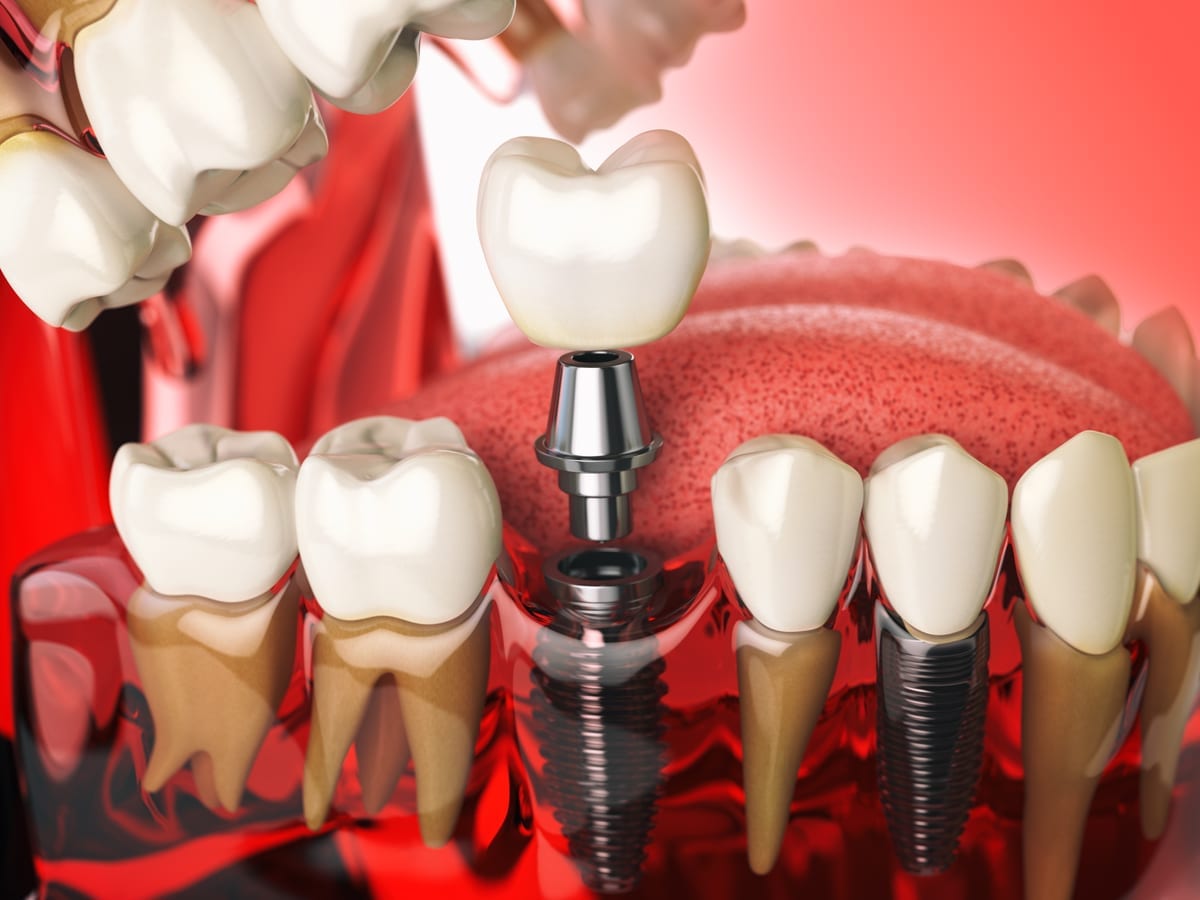
A dental bridge literally bridges the gap left by a missing tooth or teeth. It consists of one or more artificial teeth anchored by crowns placed on the healthy teeth on either side. This restores your bite, your speech, and your smile’s natural appearance. Bridges also prevent surrounding teeth from shifting out of place over time.
Patients who have lost a tooth due to decay, injury, or extraction are often excellent candidates. During your first consultation, Dr. Jan will examine your mouth thoroughly. She will take X-rays and evaluate the health of your surrounding teeth and gums. This helps her create a treatment plan tailored specifically to you.
A bridge can dramatically improve your quality of life. Many patients notice improvements in chewing and speaking almost immediately after final placement. If you are curious about other smile-enhancement options, explore our Cosmetic Dentistry Chatsworth services for a full picture of what is possible.
Step-by-Step: What Happens During Your Dental Bridge Procedure in Chatsworth
Knowing each step removes the guesswork and eases anxiety. Here is a clear breakdown of every stage you will experience at our Chatsworth office.
- Consultation and planning: Dr. Jan examines your teeth, takes X-rays, and discusses your goals and options.
- Tooth preparation: The abutment teeth on either side of the gap are gently reshaped to support the crowns.
- Impressions: We take precise impressions of your teeth to send to a dental lab for custom fabrication.
- Temporary bridge placement: A temporary bridge protects your prepared teeth while the permanent one is being made.
- Permanent bridge fitting: When the lab returns your bridge, Dr. Jan checks the fit, bite, and color carefully.
- Final bonding: Once everything looks and feels perfect, the bridge is permanently cemented into place.
Each step is performed with care and precision. Dr. Jan explains what she is doing throughout the appointment. You are never left wondering what comes next. Our team checks in with you regularly to make sure you feel comfortable.
What Do Patients Feel During Each Stage?
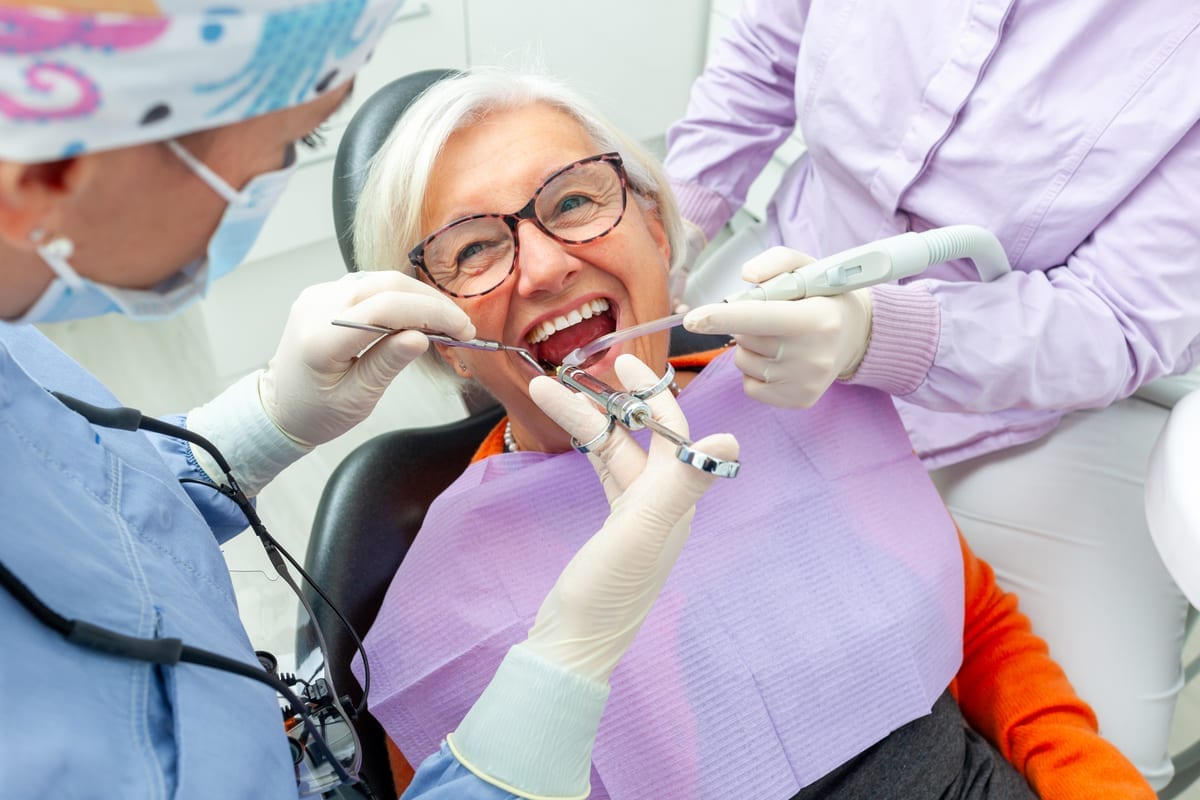
This is one of the most common questions we hear. The honest answer is that most patients feel very little during the procedure. Local anesthesia is applied before the tooth preparation stage begins. You may feel gentle pressure, but pain is rarely a concern.
During tooth preparation, the numbing medication ensures your comfort. Some patients feel slight vibration from the dental instruments. This is completely normal and not a sign of anything wrong. Most people are surprised by how manageable the experience actually is.
The impression stage is simple and painless. A soft material is placed in a tray and pressed gently over your teeth. It sets quickly and is then removed. The temporary bridge is bonded with a lighter cement so it can be easily removed later.
At the final appointment, the fit and bite adjustment may take a few minutes. Dr. Jan will ask you to bite down on special paper to check alignment. Any minor adjustments are made chairside. Once you both agree the fit is right, the permanent bridge is bonded securely.
How Our Chatsworth Team Keeps You Comfortable Throughout
Comfort is not an afterthought at Chatsworth Family Dental Group — it is built into every appointment. Our office environment is calm and welcoming. We play soft music, use gentle lighting, and encourage patients to ask questions freely. Dr. Jan is known for her warm, patient-centered approach.
Here are some of the comfort measures we use during dental bridge appointments:
- Topical numbing gel applied before any injection
- Slow, gentle delivery of local anesthesia
- Frequent check-ins during the procedure
- Clear explanations before each new step begins
- Breaks offered whenever a patient needs them
- A calm, judgment-free environment throughout
Patients who experience dental anxiety are encouraged to speak up before the appointment. Dr. Jan will walk through the entire process with you in advance. Knowing what to expect can significantly reduce fear. We want every patient to leave feeling proud of taking that step.
We serve patients of all ages, including children and teens who may need restorative care. Families also trust us for our Pediatric Dentistry Chatsworth services, which follow the same gentle approach.
Caring for Your Bridge After the Procedure
Once your permanent bridge is in place, proper care keeps it lasting for many years. Most dental bridges last between 10 and 15 years with good home care. Some last even longer. Your habits after the procedure matter just as much as the procedure itself.
Follow these simple aftercare tips to protect your investment:
- Brush twice daily with a soft-bristled toothbrush
- Floss daily using a floss threader or water flosser to clean under the bridge
- Avoid chewing on hard foods like ice or hard candy
- Schedule regular cleanings and checkups with Dr. Jan
- Contact our office promptly if you notice any discomfort or looseness
Your bridge is designed to blend seamlessly with your natural teeth. It should feel comfortable and stable within a few days. Mild sensitivity in the first week is normal. If anything feels off after that period, reach out to us right away.
Conclusion: Your Comfort Is Our Priority in Chatsworth
A dental bridge procedure does not have to feel overwhelming or intimidating. With the right team and clear communication, it can be a smooth and even positive experience. Dr. Ashley Jan and the entire team at Chatsworth Family Dental Group are here to guide you every step of the way. We believe an informed patient is a confident patient. Book Now to schedule your appointment with our team.
Frequently Asked Questions
How many appointments does a dental bridge procedure take?
Most dental bridge procedures require two to three appointments. The first involves consultation and tooth preparation. The second is for placing the permanent bridge once it returns from the dental lab. Occasionally, a brief follow-up visit is needed to check the bite and comfort.
Is the dental bridge procedure painful?
The procedure itself is not painful for most patients. Local anesthesia numbs the area before tooth preparation begins. You may feel some pressure or vibration, but significant pain is uncommon. Any mild soreness after the anesthesia wears off can typically be managed with over-the-counter pain relievers.
How long does a dental bridge last?
With proper care, a dental bridge can last 10 to 15 years or longer. Regular cleanings, daily flossing under the bridge, and routine checkups all extend its lifespan. Dr. Jan will monitor your bridge at each visit to catch any issues early.
Can I eat normally after getting a dental bridge?
Yes, most patients return to a normal diet after the permanent bridge is placed. For the first day or two, softer foods are recommended. Once the bridge feels comfortable and secure, you can gradually return to your regular eating habits. Avoid extremely hard or sticky foods to protect the bridge long-term.
What is the difference between a dental bridge and a dental implant?
A dental bridge uses the neighboring teeth as anchors to support an artificial tooth. A dental implant is a standalone titanium post surgically placed into the jawbone. Both restore missing teeth effectively, but they differ in procedure, timeline, and candidacy requirements. Dr. Jan will help you determine which option suits your specific situation best.